Summer Hydration Tips for Dogs
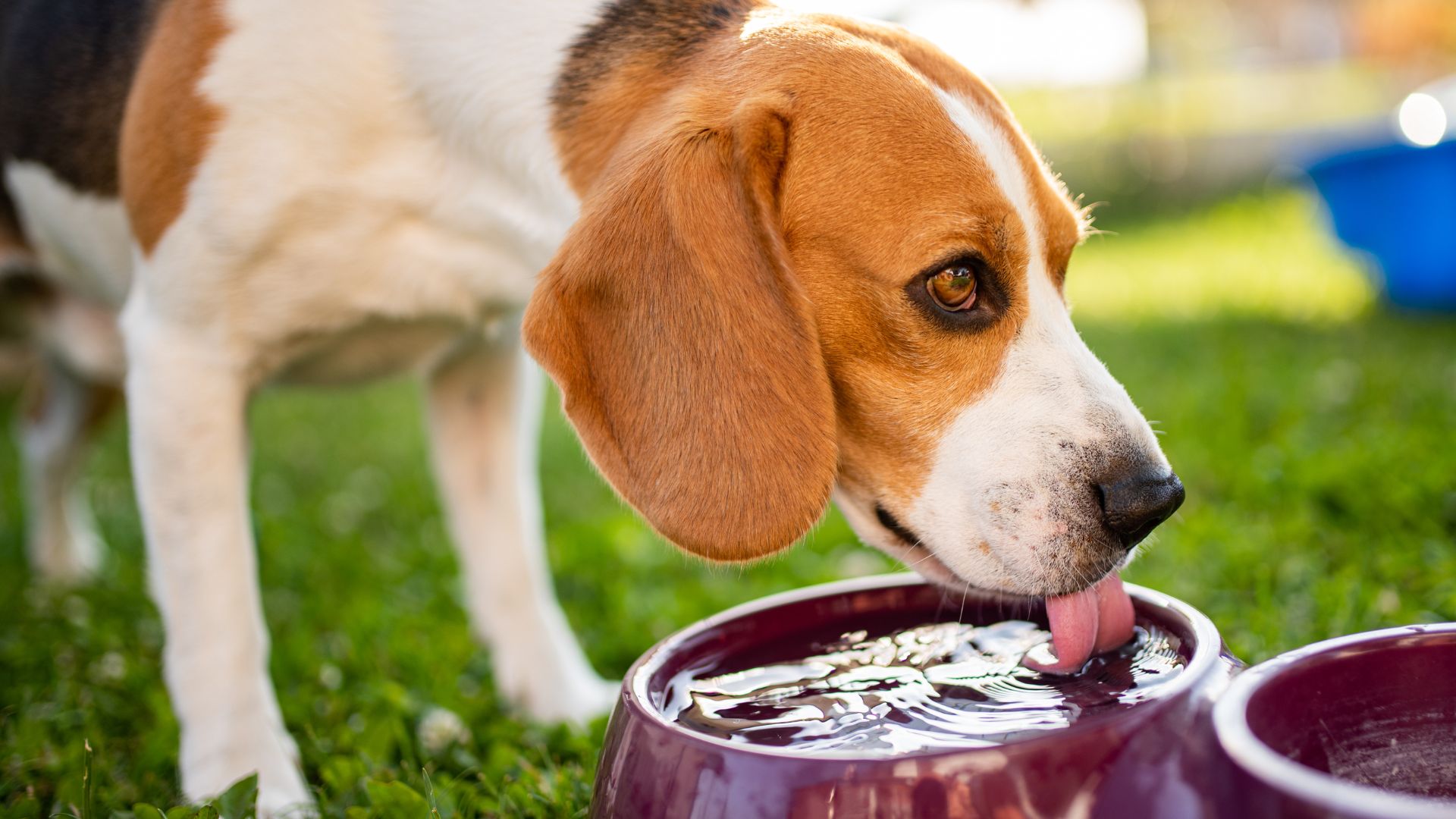
Summer in Atlanta can mean long walks, backyard play, trips to the dog park, and plenty of time riding around in the car. It can also mean high temperatures and humidity that make it harder for dogs to stay comfortable.
Dogs cool themselves mainly by panting. As panting increases, they lose more moisture. Add exercise, direct sunlight, or a warm car ride, and dehydration can develop faster than many pet parents realize.
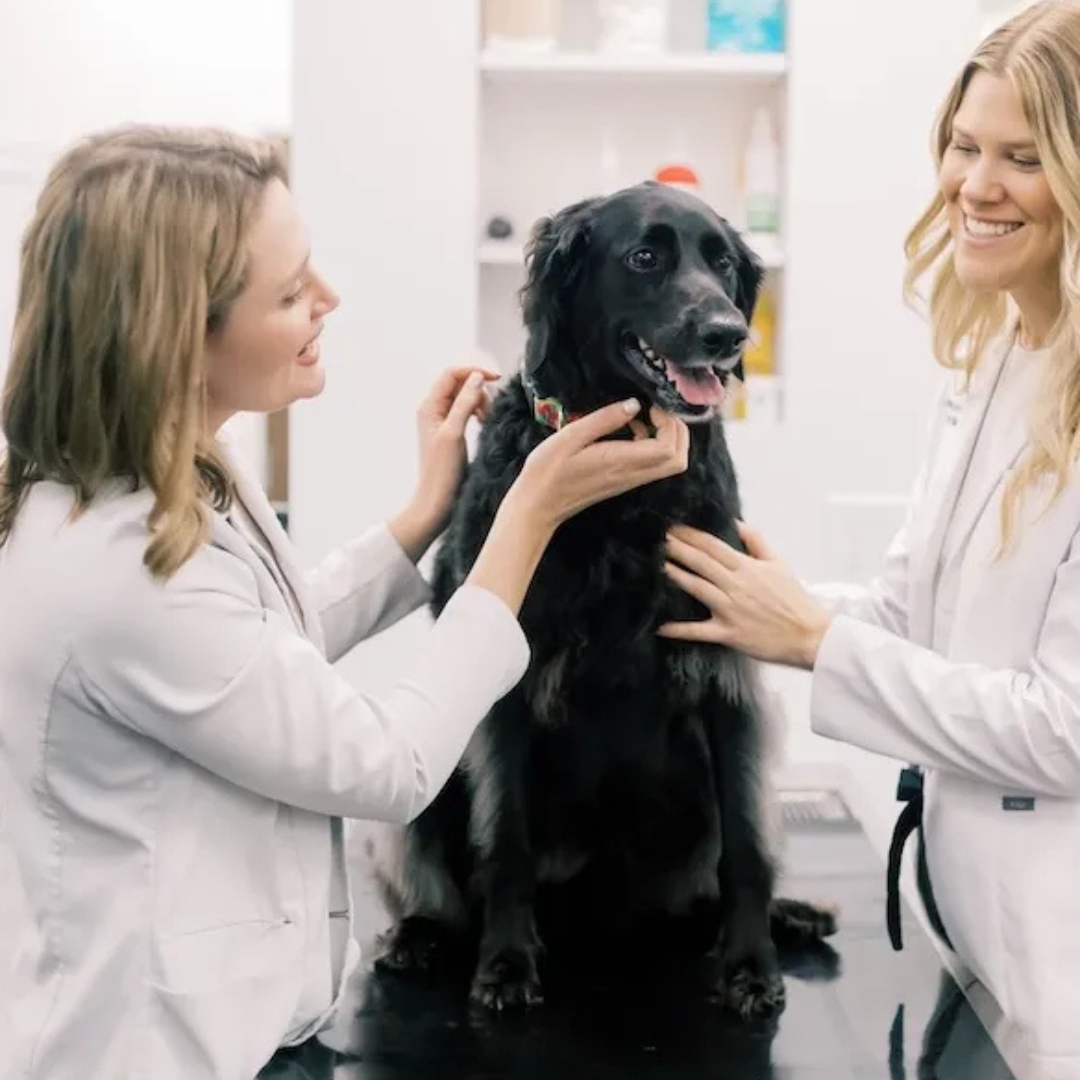
At Good Dog Veterinary Care, we provide all-dog veterinary services in Atlanta, Georgia, and help pet parents keep their dogs safe and healthy throughout the summer. Explore our locations and get in touch here:
Quick Answer
Dogs should always have access to clean, fresh water during the summer.
You can encourage your dog to drink more by refreshing their water regularly, placing bowls in convenient areas, bringing water on walks, adding a splash of pet-safe bone broth, and offering hydrating snacks such as cucumber or seedless watermelon. Regular shade and water breaks are also important during outdoor activities.
These tips can help prevent dehydration, but they are not a replacement for veterinary care. Contact a veterinarian if your dog refuses water or shows signs of dehydration, overheating, weakness, or illness.
Why Dogs Need More Water During the Summer
Warm weather does more than make your dog thirsty. It increases the amount of work their body must do to maintain a safe temperature.
A dog that drinks enough water on a mild day may need more during an afternoon walk, backyard play session, or outdoor event.
Panting Increases Fluid Loss
Dogs do not sweat across their bodies the way people do. They primarily release heat through panting, along with a smaller amount of sweating through their paw pads.
Panting moves warm air and moisture out of the body. The faster and longer your dog pants, the more fluid they can lose.
Some panting is normal after exercise or time outside. Heavy panting that continues while your dog is resting, however, can be a warning that they are becoming too hot or dehydrated.
Heat and Physical Activity Raise Hydration Needs
Your dog may need more frequent water breaks during:
- Long walks
- Backyard play
- Dog park visits
- Car rides
- Outdoor events
- Hikes
- Time spent in direct sunlight
Do not wait until your dog appears extremely thirsty. Offer water before activity, during breaks, and again when you return home.
Humidity also matters. Atlanta’s summer humidity can make it more difficult for panting to cool the body efficiently, even when the temperature does not seem extreme.
Some Dogs Face Greater Risks
Any dog can become dehydrated, but some dogs may struggle more in hot weather.
Puppies and senior dogs may not regulate their body temperature as efficiently. Small dogs have less body mass, while overweight dogs may become tired and overheated more quickly.
Flat-faced breeds such as Bulldogs, Pugs, and French Bulldogs can have greater difficulty moving air effectively. Dogs with heart disease, kidney disease, diabetes, or other medical conditions may also have different hydration needs.
Ask your veterinarian for personalized guidance when your dog has a chronic condition, takes medication, or has struggled with heat in the past.
Practical Hydration Tips for Dogs
Keeping your dog hydrated does not need to be complicated. A few small changes can make water more accessible and appealing throughout the summer.
Keep Fresh Water Available Throughout the Day
Your dog should have access to fresh water at all times.
Replace water when it becomes warm, dirty, or stale. Drool, food particles, grass, and outdoor debris can quickly make a water bowl less appealing.
Place bowls in several convenient areas if your dog spends time on different floors, in the backyard, or in multiple parts of the home. A dog should not have to search for water.
Wash water bowls regularly with soap and water. The slippery film that develops inside an unwashed bowl can contain bacteria and may discourage some dogs from drinking.
Add a Splash of Pet-Safe Bone Broth
A small splash of pet-safe bone broth can make plain water more appealing to a dog that is reluctant to drink.
Choose a broth made specifically for pets when possible. Human broths often contain ingredients that should not be given to dogs, including onion, garlic, heavy seasoning, or excessive sodium.
Use only a small amount. Bone broth should add flavor without replacing the fresh water in the bowl.
Dogs with allergies, digestive problems, kidney disease, heart disease, or prescription diets may need to avoid certain broths. Check with your veterinarian before introducing one.
Offer Hydrating Snacks
Some fruits and vegetables contain plenty of moisture and can make refreshing summer treats.
Good options include:
- Cucumber
- Seedless watermelon
- Wet food as it contains more water.
Serve cucumber plain and cut it into manageable pieces.
Watermelon should be seedless and offered without the rind. The rind can be difficult to digest and may create a choking or intestinal blockage risk.
Hydrating snacks should remain occasional treats. They can support your dog’s water intake, but they should never replace access to fresh drinking water.
Turn the Water Bowl Into a Summer Activity
Try adding a few blueberries or small apple pieces to your dog’s water bowl.
Some dogs will drink more while trying to retrieve the fruit. It turns hydration into a simple enrichment activity and can be especially useful for dogs that are curious or food-motivated.
Remove the apple core and all seeds before offering apple pieces. Keep the pieces appropriately sized for your dog, and do not add so much fruit that it replaces their regular food.
This trick may not work for every dog, but it can make an ordinary water bowl more interesting on a hot day.
Add Water to Your Dog’s Regular Food
Mixing a small amount of water into your dog’s food can increase their overall moisture intake.
You can add water to kibble shortly before serving or ask your veterinarian whether wet food is appropriate for your dog. Some dogs enjoy softened kibble, while others need time to adjust to a different texture.
Introduce changes gradually. Adding too much water or switching foods suddenly may upset the stomach, especially in dogs with sensitive digestion.
Dogs eating prescription diets should not have their feeding routine changed without veterinary guidance.
Bring Water Whenever You Leave Home
Bring water anytime your dog will be away from home for more than a quick trip.
Useful supplies include:
- Bottled water
- A collapsible bowl
- A portable dog water bottle
- Extra water for longer outings
Offer your dog water during walks, car rides, hikes, park visits, and outdoor events. Do not assume that a park, restaurant, or event venue will have safe drinking water available.
Bring water from home when your dog is hesitant to drink unfamiliar water or has a sensitive stomach.
Schedule Shade and Water Breaks
Outdoor activity should include regular breaks in a shaded or air conditioned area.
Keep walks and play sessions shorter when temperatures are high. Offer water during each break and give your dog time to calm down before continuing.
Water alone cannot protect a dog that remains active in extreme heat for too long. Hydration must be combined with shade, rest, and reasonable activity levels.
Whenever possible, walk your dog earlier in the morning or later in the evening when Atlanta temperatures are cooler. Test pavement with the back of your hand before walking, since hot surfaces can also burn paw pads.
Signs Your Dog May Be Dehydrated
Dehydration can range from mild to serious. Watch for changes in your dog’s mouth, energy, appetite, and behavior.
Possible warning signs include:
- Dry or sticky gums
- Excessive panting
- Low energy
- Reduced appetite
- Vomiting
- Diarrhea
- Weakness
- Sunken-looking eyes
- Reduced urination
Learn more about the signs of dehydration in dogs, common causes, and when veterinary care may be necessary.
Summer Hydration Mistakes to Avoid
Keeping your dog hydrated sounds simple, but a few common mistakes can make hot-weather outings riskier than they need to be.
Waiting Until Your Dog Looks Thirsty
Do not wait until your dog is panting heavily, searching for water, or acting tired before offering a drink.
Dogs should have regular access to fresh water throughout the day and during outdoor activities. Offering water early and often is much easier than trying to catch up after dehydration has already started.
Using Human Sports Drinks
Human sports drinks are not designed for dogs.
They may contain high amounts of sugar or sodium, along with artificial sweeteners, flavorings, or other ingredients that are not appropriate for pets. Some sugar-free products may even contain xylitol, which is toxic to dogs.
Only give your dog electrolyte products when your veterinarian recommends a product and explains how to use it safely.
Assuming Water Prevents All Heat-Related Problems
A dog can be well hydrated and still overheat.
Fresh water is important, but it cannot make extreme heat or prolonged activity safe. Dogs also need shade, rest, shorter outings, and protection from hot pavement and direct sunlight.
Watch the temperature, humidity, and your dog’s behavior. Move indoors when your dog appears tired, uncomfortable, or unable to cool down.
Giving Too Many Hydrating Treats
Cucumber, seedless watermelon, blueberries, and apples can support hydration, but they are still treats.
Too much fruit can cause diarrhea, stomach discomfort, or unnecessary calorie intake. Serve small portions and introduce new foods gradually.
Hydrating snacks should complement your dog’s regular diet and fresh water, not replace either one.
Frequently Asked Questions About Summer Dog Hydration
How Often Should I Offer My Dog Water Outside?
Offer water regularly during walks, outdoor play, car rides, and other summer activities.
How often your dog needs a break depends on the temperature, humidity, activity level, breed, age, and overall health. A short, relaxed walk may require less water than active play at a park.
Do not follow one rigid schedule. Bring enough water, offer it during breaks, and watch your dog closely.
Can I Put Ice Cubes in My Dog’s Water?
Yes. Many healthy dogs can safely have a few ice cubes in their water if they enjoy them.
Ice cubes may help keep the water cool and make the bowl more interesting. They do not, however, prevent overheating or make it safe to continue exercising in extreme heat.
Shade, rest, and shorter outdoor sessions still matter.
Is Bone Broth Safe for Dogs?
Pet-safe bone broth can be added to water in small amounts.
Choose a broth made for dogs or carefully check the ingredients. Avoid products containing onion, garlic, excessive sodium, heavy seasoning, or artificial sweeteners.
Dogs with allergies, kidney disease, heart disease, or prescription diets should only receive bone broth after speaking with a veterinarian.
Is Watermelon Good for Hydrating Dogs?
Seedless watermelon can be a refreshing occasional treat because it contains plenty of moisture.
Remove the rind and any seeds before serving it. Cut the fruit into small pieces that are appropriate for your dog’s size.
Watermelon should supplement fresh drinking water, not replace it or your dog’s regular diet.
Why Is My Dog Suddenly Drinking Much More Water?
Hot weather, exercise, and increased activity can make dogs drink more.
However, a persistent or dramatic increase in thirst can sometimes be connected to diabetes, kidney disease, hormonal disorders, medication side effects, or other health concerns.
Contact your veterinarian when your dog’s drinking habits change noticeably, especially if you also see increased urination, weight loss, low energy, vomiting, or changes in appetite.
Keep Your Dog Hydrated This Summer
A little preparation can make summer much safer and more comfortable for your dog.
Keep fresh water available throughout the day, bring water whenever you leave home, and build shade and rest breaks into outdoor activities. Safe snacks and a splash of pet-friendly bone broth can encourage additional moisture, but they should never replace clean drinking water.
Most importantly, pay attention to changes in your dog’s energy, breathing, appetite, water intake, and behavior.
If your dog is refusing water, showing signs of dehydration, or struggling in the summer heat, contact Good Dog Veterinary Care. Our all-dog veterinary teams can evaluate your dog and help determine the safest next steps. Reach out to one of our three Atlanta-area practices:
Subscribe to our newsletter
Stay up-to-date with the latest in veterinary care, tips for your dog’s health, and news from Good Dog Veterinary Care. Subscribe to our newsletter for expert insights, special updates, and exclusive offers delivered right to your inbox.