How Often Should I Take My Dog to the Vet?
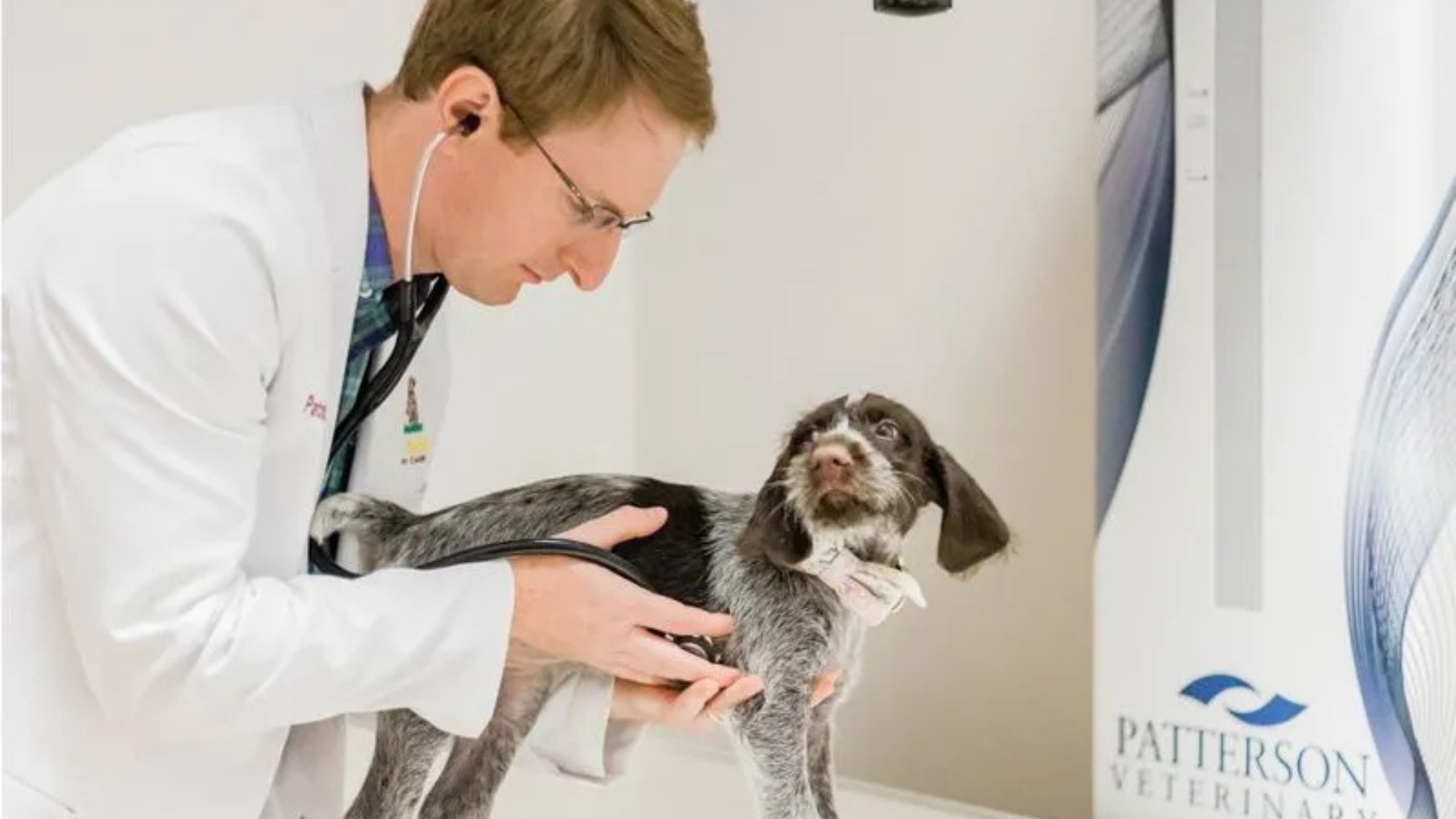
How often should a dog go to the vet is one of the most common questions dog owners ask, and the answer is reassuringly simple. Dogs do not only need veterinary care when something is wrong. Regular visits play a major role in keeping your dog healthy, comfortable, and thriving throughout their life.
How often your dog should see the vet depends on several factors, including age, breed size, lifestyle, and health history. A proactive approach to veterinary care is usually less stressful for your dog, more affordable over time, and far better for their overall lifespan and quality of life. At Good Dog Veterinary Care, we focus exclusively on dogs, so we know exactly how often your dog should be seen at every life stage.
Why Regular Vet Visits Matter Even When Your Dog Seems Healthy
Dogs are incredibly good at hiding pain. Many health issues develop quietly long before obvious symptoms appear. By the time a problem becomes visible, it may already be more advanced and harder to treat.
Regular veterinary visits allow for early detection, which almost always leads to better outcomes. Preventive care helps catch issues early instead of reacting after your dog is already in pain or sick. Over time, this approach can also save money by avoiding emergency treatments and advanced procedures.
Wellness exams act as a baseline health snapshot. During these visits, your veterinarian performs a full head to tail exam and may recommend diagnostics to monitor internal health. These appointments also help build trust between your dog and the veterinary team, making future visits calmer and easier.
How Often Should Puppies Go to the Vet?
Puppy Vet Visit Schedule From Birth to One Year
Puppies visit the veterinarian more often than any other life stage, and for good reason. Their first visit typically happens around six to eight weeks of age. After that, puppies are usually seen every three to four weeks until they reach about sixteen to twenty weeks old.
At each visit, your veterinarian performs a physical exam, tracks growth and development, checks for parasites, and answers questions about nutrition and daily care. These appointments also include guidance on behavior, socialization, and setting healthy routines early. Frequent visits help ensure your puppy grows safely and confidently during their most important developmental stage.
Puppy Vaccination Timeline
Vaccinations make up a large portion of early puppy visits. Core vaccines protect against serious illnesses such as distemper, parvo, adenovirus, parainfluenza, and rabies. Rabies vaccination requirements vary by location, but they are legally required in most areas.
Some puppies may also need additional vaccines based on lifestyle and environment. These may include bordetella, leptospirosis, or influenza. Bringing records from your breeder or rescue organization to your first appointment helps your veterinarian create the safest and most accurate vaccination plan for your puppy.
How Often Should Adult Dogs Go to the Vet?
Annual Wellness Exams for Adult Dogs From One to Seven Years
Healthy adult dogs should visit the veterinarian at least once per year. Even when your dog seems perfectly fine, annual wellness exams are essential for monitoring subtle changes that owners may not notice day to day.
During these visits, veterinarians evaluate weight trends, dental health, heart and lung function, skin and coat condition, and early signs of disease. Annual boosters and parasite prevention are also reviewed to ensure ongoing protection against common health threats.
Common Issues Caught During Routine Exams
Many common health problems are first detected during routine wellness visits. These include obesity, dental disease, skin allergies, early arthritis, and heartworm or tick borne illnesses. Catching these issues early allows for simpler treatments and better long term outcomes for your dog.
How Often Should Senior Dogs Go to the Vet?
When is a Dog Considered a Senior?
Dogs enter their senior years at different times depending on size and breed. Smaller breeds often age more slowly, while larger and giant breeds tend to age earlier. Many dogs are considered senior around seven years of age, though this can happen sooner for larger dogs.
Why Senior Dogs Need Biannual Visits
As dogs age, their risk for health issues increases. For this reason, veterinarians typically recommend twice yearly exams for senior dogs. These more frequent visits help monitor age related changes and manage conditions before they affect comfort or mobility.
Common age related concerns include arthritis, mobility issues, kidney disease, liver issues, cancer, and cognitive decline. Regular monitoring allows for early intervention and better quality of life.
Diagnostics Common for Senior Dogs
Senior wellness visits often include additional diagnostics such as bloodwork, x rays, and urinalysis. These tests provide insight into organ function and help identify problems that may not be visible during a physical exam.
Veterinarians may also discuss pain management options and quality of life planning. These conversations focus on comfort, mobility, and ensuring your dog enjoys their senior years as fully as possible.
When to Take Your Dog to the Vet Outside a Regular Schedule
Even with a consistent wellness routine, some situations should prompt a call to your veterinarian right away. Dogs often show subtle signs before a problem becomes serious, and early action can make a big difference.
Signs You Shouldn't Ignore
Watch closely for these changes in your dog:
- Changes in appetite or water intake
- Low energy or unusual tiredness
- Vomiting or diarrhea
- Limping or difficulty moving
- Sudden behavior changes
- Excessive scratching or licking
If something feels off, trust your instincts. It is always better to call, even if it turns out to be nothing. A quick conversation with your vet can offer reassurance or help prevent a bigger issue.
What Counts as a Veterinary Emergency
Some situations require immediate attention and should never wait for a scheduled appointment. If you notice any of the following, contact your veterinarian right away.
- Breathing difficulties
- Seizures
- A bloated or swollen abdomen
- Possible ingestion of toxic substances
- Uncontrolled bleeding
- Severe trauma such as being hit by a car
- Collapse or sudden weakness
Fast action in emergencies can save your dog's life. When in doubt, seek care immediately.
Wellness Plans vs Pet Insurance What Dog Owners Should Know
Understanding the difference between wellness plans and pet insurance can help you choose the best option for your dog and your budget.
Pet Insurance Overview
Pet insurance typically helps cover unexpected accidents and illnesses. Most plans require a monthly premium and may have exclusions or limits, especially for pre-existing conditions. Coverage and reimbursement vary by provider, so it is important to review policies carefully.
Wellness Plans Overview
Wellness plans focus on routine preventive care. These plans often include exams, vaccines, preventatives, and basic diagnostics. They offer a predictable monthly cost and are ideal for proactive dog owners who want consistent care without surprise expenses. Many dog owners choose wellness plans to stay ahead of health issues rather than react to them.
How Much Does a Typical Vet Visit Cost
The cost of a vet visit can vary depending on what your dog needs. A routine exam often falls in the lower range, while vaccinations and diagnostics can add to the total. Emergency visits tend to cost more due to urgency and advanced care.
Wellness plans can help control costs by spreading routine care into manageable monthly payments and reducing the need for unexpected spending throughout the year.
Why Dog Only Veterinary Care Makes a Difference
When a practice focuses exclusively on dogs, the level of care becomes more precise. Dog specific expertise leads to better diagnostics and more tailored treatment plans. A dog-focused environment reduces stress by ensuring the clinic and medical team are thoughtfully specialized in canine comfort. Teams trained exclusively on canine needs understand behavior, health patterns, and specific health conditions that affect dogs at every life stage.
If you’re in Atlanta, and want veterinary care designed specifically for dogs, Good Dog Veterinary Care offers an all dog approach with three convenient locations: West Cobb Marietta, Smyrna, and East Cobb. Our team provides wellness, specialty, and urgent care in a warm and welcoming environment for you and your Good Dog. As a reliable veterinarian in Atlanta, we emphasize providing your dog with the highest level of care possible.
Subscribe to our newsletter
Stay up-to-date with the latest in veterinary care, tips for your dog’s health, and news from Good Dog Veterinary Care. Subscribe to our newsletter for expert insights, special updates, and exclusive offers delivered right to your inbox.


