Puppy First Vet Visit Checklist
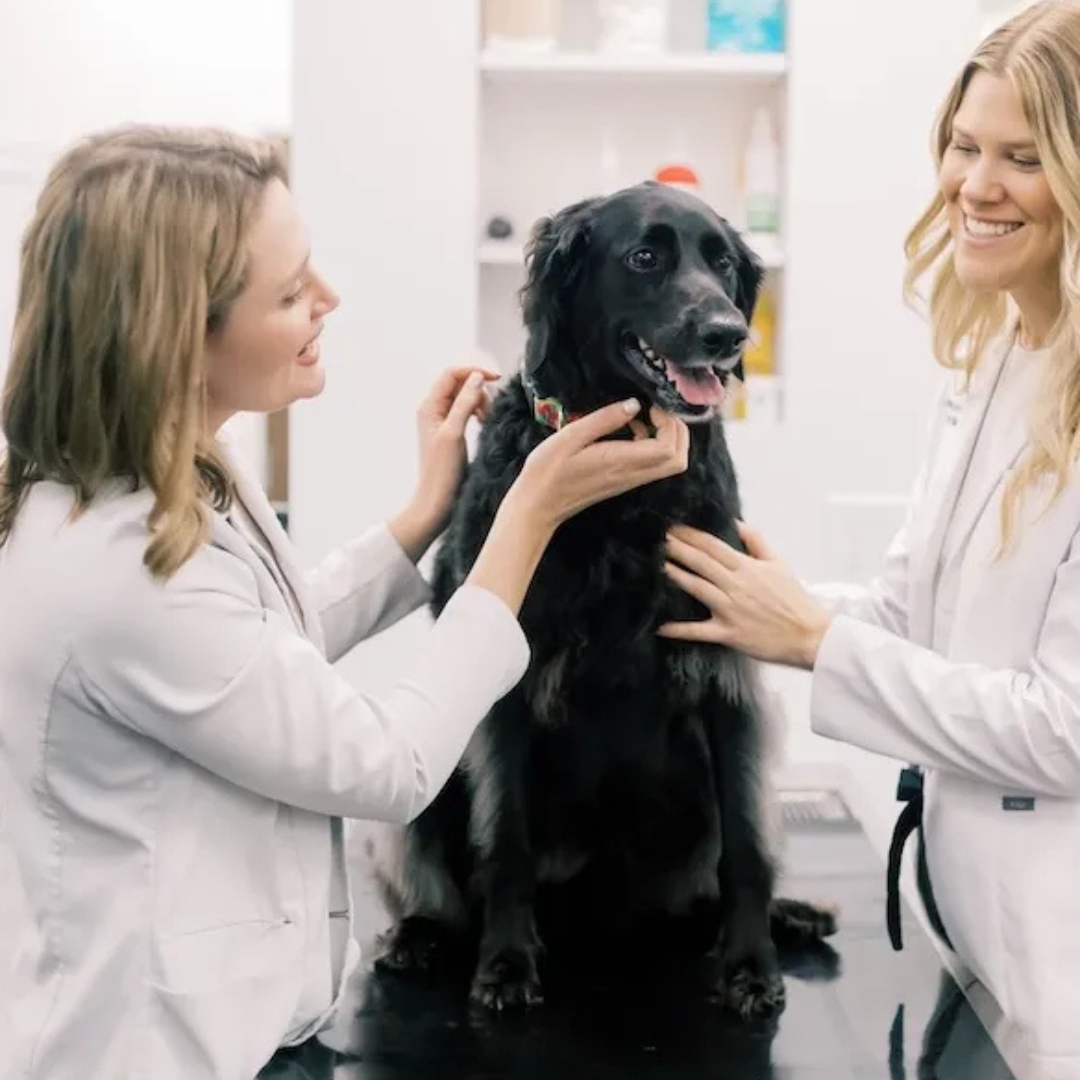
A puppy first vet visit checklist is your best move after bringing a new puppy home because it sets the foundation for a healthy first year, even when your puppy seems totally fine. Puppies can hide early issues, and their immune systems are still developing, so this visit is about getting a baseline, confirming what vaccines have already been done, checking for parasites, and building a clear plan for wellness, nutrition, and prevention going forward.
When Should a Puppy Go to the Vet for the First Time
The ideal timing after you bring your puppy home
Aim to schedule the first visit within a few days of bringing your puppy home. Sooner is better for two reasons. First, it gives you peace of mind that your puppy is healthy and on track. Second, if something is brewing, like parasites or a mild infection, catching it early usually means simpler treatment and faster recovery. It also helps you get a real plan in place for vaccines, preventatives, and growth milestones before you are guessing.
What if the breeder or rescue already did some care
That is common and it helps, but it does not replace a new puppy exam. Bring every record you have and your vet will use it to confirm what was done, what is due next, and what schedule makes sense from here. Your puppy still needs a baseline check with your chosen clinic so the team can get to know your dog, document starting weight and overall health, and make sure nothing got missed. Think of it as transferring care and making sure the plan is correct for your puppy, your home, and your area.
Puppy First Vet Visit Checklist What to Bring
Records and information
Bring any paperwork you received from the breeder, shelter, or rescue, especially vaccine history and deworming dates. If your puppy has a microchip already, bring any microchip details or registration info. Also write down anything you have noticed since bringing them home, even if it feels minor, like sneezing, loose stool, scratching, or low appetite. The more accurate your starting information is, the easier it is for your vet to build a clean plan.
A fresh stool sample and why it matters
A stool sample helps your vet check for intestinal parasites, which are extremely common in puppies and not always obvious. The sample should be as fresh as possible and stored in a sealed bag or clean container. If you can bring a sample from the same day, that is ideal. This is one of the simplest ways to catch an issue early and protect both your puppy and your household.
Travel and safety basics
If your puppy is small, a carrier or crate makes the trip safer and usually less stressful. Bring a leash and harness for any puppy that will walk into the building. A towel that smells like home can help your puppy settle. Pack a few small treats and a chew toy to keep the visit positive. If your puppy tends to get thirsty during car rides, bring water too.
Your questions list
Bring a short list so you do not forget anything in the moment. Good topics include feeding amounts and schedule, training and socialization basics, vaccine timing, flea tick and heartworm prevention, parasite screening, and when to start thinking about spay or neuter. If you are unsure what is normal for puppy behavior, ask. That is what this first visit is for.
What To Do Before the Appointment
Track a few quick details at home
In the day or two before the visit, pay attention to the basics. Is your puppy eating well. Drinking normally. Acting playful or unusually tired. What does their stool look like. Any vomiting or diarrhea. Any coughing, sneezing, or eye discharge. Any itching, ear scratching, or limping. You do not need to overthink it. Just notice what is normal and what feels off.
Reduce stress and set your puppy up for success
A little practice goes a long way. Do a couple short car rides so the drive does not feel brand new. Gently handle paws, ears, and mouth for a few seconds at a time with treats so your puppy learns that being touched is not scary. Bring treats to the appointment and reward calm behavior. Your goal is to make the first visit feel safe, not overwhelming.
Safety note about exposure to other dogs
Until your puppy is fully vaccinated, avoid high traffic dog areas like dog parks, pet store floors, and busy daycare style environments. At the clinic, keep your puppy close and do not allow nose to nose greetings in the waiting area. This is not about being paranoid. It is about lowering risk while your puppy is still building immunity.
What Happens During a Puppy First Vet Visit
The head to tail exam
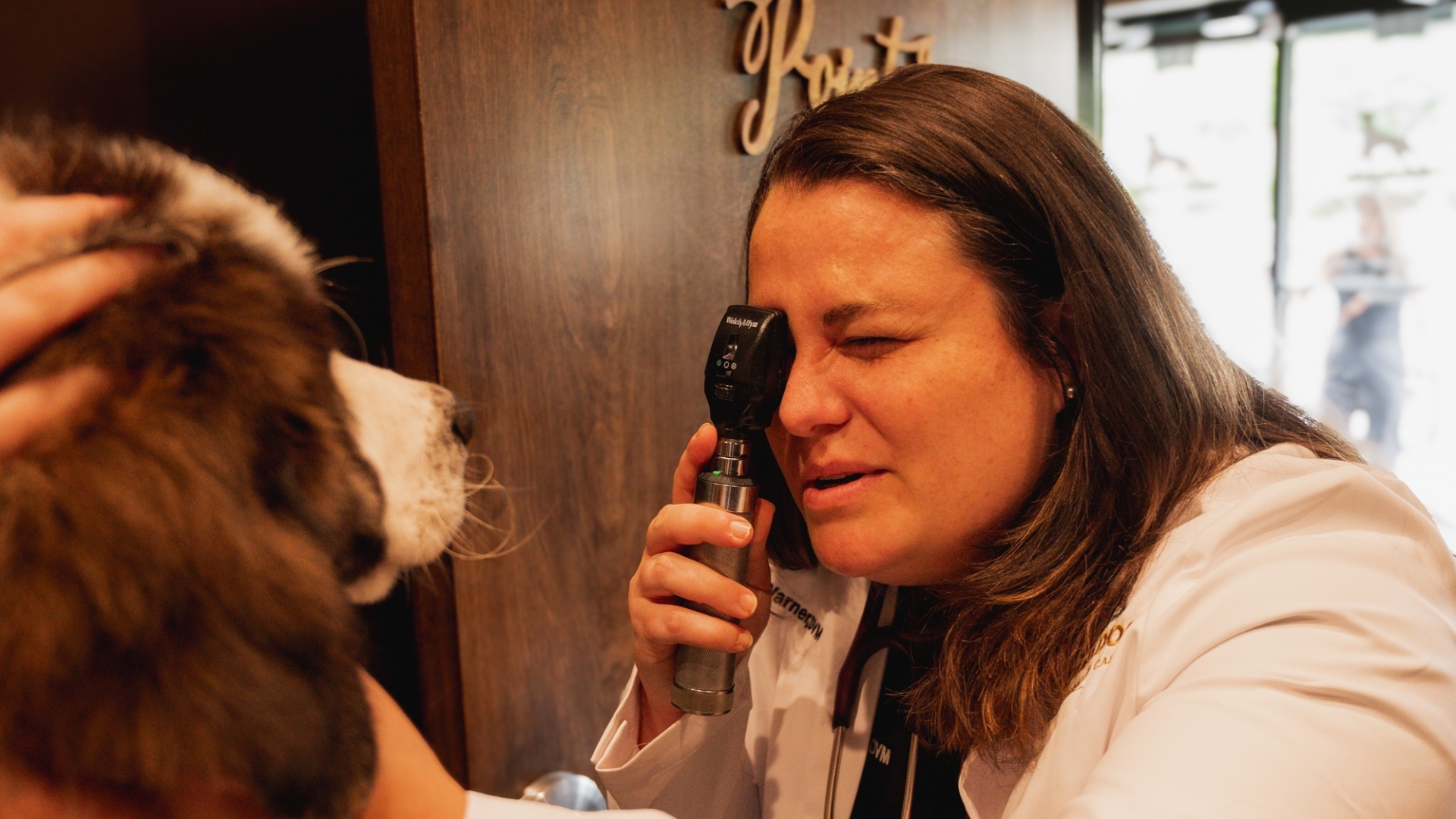
Your vet will do a full physical exam and check your puppy from nose to tail. That usually includes weight, temperature, heart and lungs, eyes and ears, skin and coat, and a look inside the mouth at teeth and gums. They will gently feel the abdomen, check lymph nodes, look at joints, and watch how your puppy moves. This exam helps establish a baseline and can catch things early, even when a puppy looks healthy.
Common puppy tests and screenings
Many first visits include fecal testing to screen for intestinal parasites. Your vet will also guide you on deworming and prevention. Depending on age and history, heartworm testing may be discussed when appropriate. If your puppy has a microchip, the team may scan it to confirm it is present and readable. The exact plan depends on your puppy’s age, vaccine status, and what records you bring.
What your vet will talk through with you
Expect a clear game plan for the next few months. You will discuss nutrition and feeding schedule so your puppy grows at a healthy pace. Training and socialization will come up because early habits matter. You will likely talk about teething and safe chew choices to prevent injuries and swallowed objects. Your vet will outline parasite prevention, including flea tick and heartworm, based on local risk. You will also get a vaccine schedule plan and basic grooming guidance. Finally, you should leave knowing the emergency red flags that mean you should call right away.
Puppy Vaccine Schedule Overview
Core vaccines and typical timing
Most puppies start core vaccines around 6 to 8 weeks old. These protect against distemper, parvo, adenovirus, and parainfluenza. After the first dose, boosters are typically given every 3 to 4 weeks until your puppy is about 16 to 20 weeks old.
Rabies is also a core vaccine and is required by law, but timing can vary by state. Many puppies get their first rabies vaccine around 12 to 16 weeks. Your vet will confirm the exact schedule based on your puppy’s age, past records, and local requirements.
Lifestyle based vaccines
Some vaccines depend on your puppy’s lifestyle and exposure risk. Bordetella is often recommended for puppies that will be around other dogs, like daycare, grooming, training classes, or boarding. Leptospirosis may be recommended in many areas because it can be picked up from wildlife and standing water. Influenza may be recommended if it is active in your area or if your puppy will be around high volumes of dogs.
Your vet will weigh your puppy’s routine and your local risk, then recommend what makes sense rather than giving everything by default.
When it is safe to meet other dogs and go places
A practical rule is this. The more vaccines your puppy has completed, the safer it is to expand their world. Early on, keep things low risk. Avoid dog parks, pet store floors, and unknown dogs until your puppy is well into the vaccine series.
That said, socialization still matters early. Focus on safer options like meeting healthy, fully vaccinated dogs you trust, controlled puppy classes that require vaccine proof, and calm environments where your puppy can see and hear the world without being overwhelmed. Your vet can tell you what is reasonable based on where your puppy is in the schedule.
Questions to Ask at Your Puppy’s First Vet Visit
Health and prevention
- What is the right prevention plan for fleas ticks and heartworm here?
- What parasites should we screen for?
- What signs should make me call right away?
Growth and nutrition
- How much should my puppy eat?
- What is a healthy weight pattern?
- When do we switch to adult food?
Behavior and training
- What is normal puppy biting?
- How to handle fear stages?
- When to start socialization safely?
Spay neuter and long term planning
Ask about general timing and what factors influence it, including breed size, growth, behavior goals, and long term health considerations. Your vet can help you make a plan that fits your puppy instead of guessing based on generic advice.
How Much Does a Puppy First Vet Visit Cost
What typically affects the price
Cost depends on your puppy’s age, which vaccines are due, whether testing is needed, your region, and how the clinic structures pricing. A first visit can be simple and quick for one puppy and more involved for another, especially if they need multiple vaccines, testing, or treatment.
Common cost buckets to expect
- Exam
- Vaccines
- Fecal test
- Deworming
- Microchip
- Preventatives
Costs vary, but having a basic idea of these buckets helps you plan. If you call ahead and share your puppy’s age and any records you have, most clinics can give a rough estimate so there are no surprises.
How wellness plans can help control costs
Wellness plans can make routine puppy care easier to budget because they bundle common preventive services into a predictable monthly cost. It is not the same as insurance, but for many puppy owners it helps keep you consistent with exams, vaccines, and prevention without big spikes in spending.
After the Visit What To Do Next
Schedule the next vaccine visit before you leave
Puppy vaccines work best when they are spaced correctly. If you wait and try to squeeze it in later, it is easy to fall behind. Booking the next appointment before you leave keeps your puppy on schedule and makes the whole first year feel simpler.
Watch for normal vaccine reactions
Mild sleepiness, a little soreness, or being slightly less playful for a day can be normal. What is not normal is significant facial swelling, hives, vomiting, collapse, or trouble breathing. If anything feels intense or scary, call your vet right away.
Keep a simple health log for the first month
You do not need anything fancy. Just track appetite, stool quality, energy level, and any new behaviors. Puppies change fast and having a basic log helps you spot trends and answer questions confidently at the next visit.
Red Flags That Mean You Should Call the Vet Sooner
- Vomiting multiple times
- Diarrhea that persists
- Not eating
- Severe lethargy
- Coughing or breathing issues
- Bloated belly
- Pale gums
- Limping that worsens
- Suspected toxin ingestion
Why Dog Only Veterinary Care Helps Puppies Thrive
Puppy visits are not just about shots. They are about building a plan and catching issues early. A dog only practice brings a level of focus that matters for puppies. The exam patterns are dog specific, the guidance is more confident because the team sees canine cases all day, and the environment is often less stressful for young dogs. At Good Dog Veterinary Care, hour long appointments also mean you get time for real questions, not rushed answers.
If you want a dog only team to guide your puppy through the first year, Good Dog Veterinary Care provides dog focused veterinary care across three Atlanta locations.
Our Atlanta Locations:
Book an appointment through our home page and we will help you build the right plan from day one.
Frequently Asked Questions About Puppy First Vet Visits
When should I schedule the first visit?
Within a few days of bringing your puppy home is ideal, even if they seem healthy.
What should I bring?
Bring any vaccine and deworming records, breeder or rescue paperwork, a stool sample if possible, and a list of questions.
Do I need a stool sample?
It is strongly recommended because parasite screening is a common and important part of puppy care.
How many puppy shots are needed?
Most puppies need a series of boosters every 3 to 4 weeks starting around 6 to 8 weeks until about 16 to 20 weeks, plus rabies based on age and local law.
When can my puppy meet other dogs?
Start with low risk exposure and vaccinated dogs you trust. Ask your vet for guidance based on your puppy’s vaccine progress and local risk.
What if my puppy has diarrhea or vomiting?
Call your vet, especially if it is repeated, persistent, or paired with low energy or reduced appetite. Puppies can get dehydrated fast.
How often should puppies go to the vet in the first year?
Expect several visits early on for vaccines and checkups, then a yearly exam once the puppy series is complete.
Should I start flea tick and heartworm prevention now?
In many areas yes. Your vet will recommend the right products and timing based on your puppy’s age and local risk.
Subscribe to our newsletter
Stay up-to-date with the latest in veterinary care, tips for your dog’s health, and news from Good Dog Veterinary Care. Subscribe to our newsletter for expert insights, special updates, and exclusive offers delivered right to your inbox.