Signs of Tick-Borne Disease in Dogs
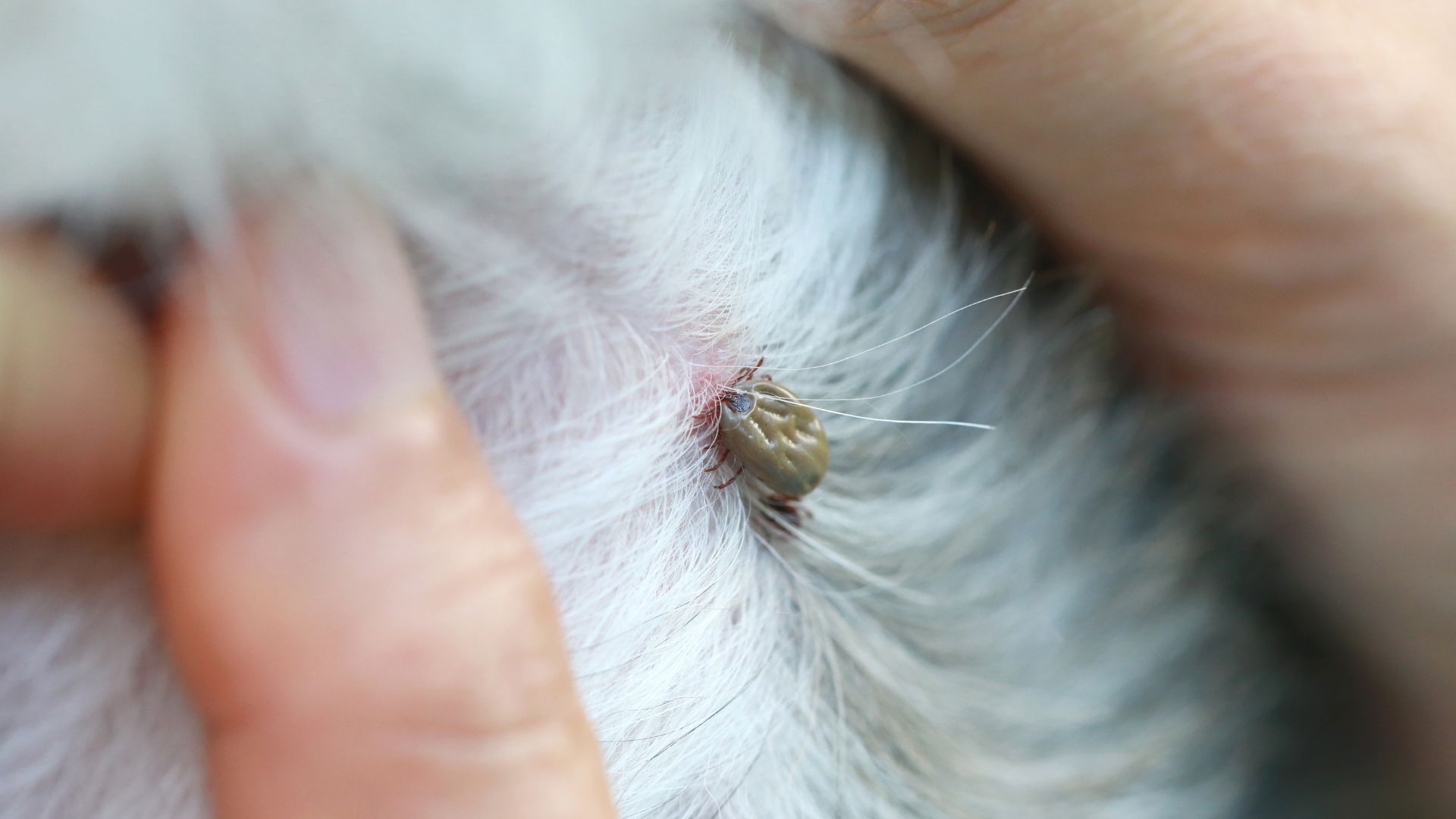
Ticks can transmit several diseases to dogs, and the first signs are often easy to miss.
A dog with a tick-borne illness may develop fever, lethargy, limping, weakness, reduced appetite, vomiting, or diarrhea. These symptoms can overlap with many other conditions, which is why testing matters.
Dogs in Georgia can encounter ticks in wooded areas, hiking trails, parks, backyards, tall grass, and brush. Exposure does not always mean an owner will actually find a tick. Small ticks can be difficult to see, and some may detach before symptoms appear.
At Good Dog Veterinary Care, our all-dog veterinary teams can evaluate symptoms, review possible tick exposure, and recommend the right testing when a tick-borne disease is a concern. Reach out to one of our three Atlanta-area practices:
What Are Tick-Borne Diseases in Dogs?
Tick-borne diseases are infections transmitted when an infected tick bites and feeds on a dog.
Different tick species can carry different bacteria or parasites. Common tick-borne diseases in dogs include:
- Lyme disease
- Ehrlichiosis
- Anaplasmosis
- Rocky Mountain spotted fever
- Babesiosis
Many of these illnesses cause similar symptoms, including fever, lethargy, limping, weakness, and appetite changes.
Veterinary testing is important because symptoms alone cannot tell you which infection may be present. Prevention and early diagnosis can also reduce the risk of more serious complications.
How Do Dogs Get Tick-Borne Diseases?
Ticks attach to a dog’s skin and feed on blood. If the tick is carrying a disease-causing organism, that organism may be transmitted while the tick feeds.
Dogs can encounter ticks in many everyday places, including:
- Wooded areas
- Hiking trails
- Tall grass
- Brush
- Backyards
- Parks
You do not need to spend hours deep in the woods for exposure to happen. A dog can pick up a tick during a neighborhood walk, a trip to the park, or time spent in the yard.
In Georgia, warmer weather and frequent outdoor activity can make tick exposure a concern during much of the year.
Ticks can also be surprisingly easy to miss. Larval and nymph stages are very small, and even adult ticks may remain hidden under thick fur or in less obvious areas such as between the toes, around the ears, or under the collar.
Common Tick-Borne Diseases in Dogs
Several different tick-borne diseases can affect dogs. The symptoms often overlap, but each infection has its own risks and treatment considerations.
Lyme Disease
Lyme disease is caused by the bacterium Borrelia burgdorferi and is transmitted by infected blacklegged ticks. A dog’s travel history, particularly travel to the Northeast, is also an important consideration when assessing Lyme disease risk.
Common signs may include:
- Limping or stiffness
- Joint pain or swelling
- Fever
- Lethargy
- Reduced appetite
Some dogs show only mild signs, while others develop more significant joint inflammation.
In more serious cases, Lyme disease can affect the kidneys. Dogs showing weakness, vomiting, increased thirst, or other signs of illness may need additional testing to evaluate kidney function.
Ehrlichiosis
Ehrlichiosis is caused by Ehrlichia bacteria transmitted by infected ticks.
Possible symptoms include:
- Fever
- Low energy
- Reduced appetite
- Weight loss
- Swollen lymph nodes
- Bruising
- Nosebleeds or other abnormal bleeding
Some dogs develop mild illness, while others can progress to a more chronic form of the disease if the infection is not identified and treated.
Because ehrlichiosis can affect blood cells and the immune system, bloodwork is often an important part of the evaluation.
Anaplasmosis
Anaplasmosis is another bacterial tick-borne disease that can cause symptoms similar to Lyme disease and ehrlichiosis.
Dogs may develop:
- Fever
- Lethargy
- Joint pain
- Limping
- Reduced appetite
- Vomiting
- Diarrhea
Some dogs may have mild or even unnoticed infections, while others become clearly ill.
Because the signs are so similar to other tick-borne diseases, testing is often needed to determine what is actually causing the symptoms.
Rocky Mountain Spotted Fever
Despite its name, Rocky Mountain spotted fever is not limited to the Rocky Mountain region.
The disease is caused by Rickettsia rickettsii and can affect dogs in different parts of the United States.
Possible signs include:
- Fever
- Muscle or joint pain
- Weakness
- Swelling
- Reduced appetite
- Neurologic changes in more serious cases
Rocky Mountain spotted fever can become serious, especially when treatment is delayed.
A dog with fever, weakness, significant pain, or neurologic symptoms after possible tick exposure should be evaluated promptly.
Babesiosis
Babesiosis is caused by Babesia parasites that infect red blood cells.
Because red blood cells carry oxygen throughout the body, affected dogs may develop signs related to anemia.
Possible symptoms include:
- Pale gums
- Weakness
- Fever
- Lethargy
- Dark-colored urine
- Reduced appetite
More severe cases can cause significant anemia and may require intensive treatment or hospitalization.
Babesiosis is treated differently from many bacterial tick-borne diseases, which is another reason accurate testing matters.
Signs of Tick-Borne Disease in Dogs
Tick-borne diseases can affect different parts of the body, but many produce similar symptoms.
Watch for:
- Fever
- Lethargy
- Weakness
- Limping
- Joint stiffness or swelling
- Reduced appetite
- Vomiting
- Diarrhea
- Pale gums
- Bruising or unexplained bleeding
- Weight loss
- Neurologic changes
A dog may show only one or two signs, or several may appear together.
These symptoms do not automatically mean your dog has a tick-borne disease. Fever, limping, appetite loss, and weakness can occur with many other medical conditions.
Possible tick exposure simply gives your veterinarian another important clue when deciding which tests may be appropriate.
Can a Dog Have a Tick-Borne Disease Without a Visible Tick?
Yes.
Not finding a tick does not rule out a tick-borne disease.
Ticks may detach after feeding, and very small larval or nymph stages can easily go unnoticed. A tick may also remain hidden under thick fur or in areas that are difficult to inspect.
Symptoms may not appear immediately after exposure. Depending on the infection, a dog may become sick days or weeks after a tick bite.
If your dog develops fever, lethargy, limping, weakness, appetite changes, or other concerning symptoms, tell your veterinarian about recent outdoor activity even if you never found a tick.
How Are Tick-Borne Diseases Diagnosed?
Because many tick-borne diseases cause similar symptoms, diagnosis usually depends on more than one piece of information.
Your veterinarian may look at your dog’s symptoms, possible tick exposure, prevention history, physical exam findings, and blood test results together.
Physical Exam and Exposure History
Your veterinarian may ask about:
- Recent hiking or time in wooded areas
- Parks, trails, yards, or other outdoor exposure
- Recent travel
- Whether you found a tick
- Fever, limping, weakness, or appetite changes
- Current tick prevention
- When symptoms first appeared
Even if you never found a tick, outdoor exposure can still be relevant.
Blood Testing
Blood testing can help identify whether a tick-borne infection may be present and whether it is affecting other parts of the body.
Testing may include:
- Screening tests for common tick-borne diseases
- Antibody testing
- PCR testing or other more specific tests when needed
- Complete blood count (CBC)
- Blood chemistry testing
A CBC may reveal changes such as anemia or abnormal platelet counts, while chemistry testing can help evaluate kidney, liver, and other organ function.
The exact testing depends on your dog’s symptoms and which diseases are suspected.
Why Testing Matters
Tick-borne diseases can be difficult to distinguish based on symptoms alone.
Fever, lethargy, limping, appetite loss, and weakness can occur with several different infections and many unrelated illnesses.
Dogs can also be exposed to more than one tick-borne disease at the same time.
Identifying the most likely cause helps your veterinarian choose the appropriate treatment and determine whether additional monitoring is needed.
How Are Tick-Borne Diseases in Dogs Treated?
Treatment depends on the specific infection and how sick the dog is.
Many bacterial tick-borne diseases are treated with antibiotics. Doxycycline is commonly used for infections such as ehrlichiosis, anaplasmosis, and Rocky Mountain spotted fever.
Not every tick-borne disease is treated the same way. Babesiosis, for example, involves parasites that affect red blood cells and may require different medications.
Dogs that are more seriously ill may also need supportive care, such as:
- IV fluids
- Pain or inflammation management
- Treatment for anemia
- Nutritional support
- Hospitalization
Some dogs improve quickly once the correct treatment begins, while others need longer recovery and follow-up care.
How to Prevent Tick-Borne Diseases
No prevention method can eliminate every risk, but consistent tick control and regular checks can significantly reduce exposure.
Use Year-Round Tick Prevention
Ticks are not only a spring and summer problem.
Depending on weather and location, dogs may encounter ticks during much of the year. In Georgia, dogs can encounter ticks year round.
Ask your veterinarian about appropriate prevention options, which may include:
- Oral medications
- Topical products
- Tick collars
The most important part is consistency. Gaps in prevention can leave your dog exposed.
Check Your Dog After Outdoor Activity
Check your dog after hikes, walks through tall grass, trips to parks, and time spent in wooded or brushy areas.
Pay close attention to:
- Ears
- Neck
- Armpits
- Groin
- Between the toes
- Around the tail
- Under the collar
Run your hands slowly through the coat and feel for small bumps, especially on dogs with thick or long fur.
Reduce Tick Exposure Around the Home
Your own yard can be a source of tick exposure.
You can reduce hiding areas by:
- Keeping grass trimmed
- Clearing heavy brush
- Removing excess leaf litter
- Limiting access to heavily overgrown areas
After hiking, camping, or spending time in wooded areas, give your dog a more thorough tick check.
Keep Up With Routine Testing
Routine screening can help identify tick-borne disease before obvious symptoms develop. At Good Dog, the yearly heartworm test also includes a screening test for lyme, ehrlichia, and anaplasma.
Talk with your veterinarian about whether tick-disease testing should be part of your dog’s regular wellness care based on lifestyle, travel, local exposure, and prevention history.
What Should You Do If You Find a Tick on Your Dog?
Remove the tick as soon as you reasonably can.
Using fine-tipped tweezers or a tick-removal tool:
- Grasp the tick as close to your dog’s skin as possible.
- Pull upward using steady, even pressure.
- Avoid crushing, twisting, or squeezing the tick.
- Clean the area after removal.
Do not dig aggressively into the skin if part of the tick remains behind.
Contact your veterinarian if:
- You cannot remove the tick safely
- The bite area becomes red, swollen, or irritated
- Your dog begins acting sick afterward
- You are unsure how long the tick was attached
Finding a tick does not automatically mean your dog will become sick, but it is worth monitoring for changes.
When Should You See a Veterinarian?
Contact your veterinarian if your dog develops concerning symptoms after possible tick exposure.
Watch especially for:
- Fever
- Persistent lethargy
- Limping or stiffness
- Reduced appetite
- Pale gums
- Unexplained bruising or bleeding
- Weakness
- Neurologic changes
- Vomiting or diarrhea along with other symptoms
You should also call if your dog had an attached tick and begins acting noticeably different afterward.
Early evaluation matters because tick-borne diseases can look similar to many other illnesses. Testing can help determine whether a tick-related infection is actually responsible.
Frequently Asked Questions About Tick-Borne Diseases in Dogs
What Are the Most Common Tick-Borne Diseases in Dogs?
Common tick-borne diseases include Lyme disease, ehrlichiosis, anaplasmosis, Rocky Mountain spotted fever, and babesiosis.
What Are the First Signs of a Tick-Borne Disease in Dogs?
Early signs may include fever, lethargy, reduced appetite, weakness, limping, or joint stiffness.
Can My Dog Get Sick Even If I Never Found a Tick?
Yes. Small ticks can be easy to miss, and ticks may detach before symptoms develop.
How Long After a Tick Bite Can Symptoms Appear?
It depends on the disease. Symptoms may appear within days or weeks, while some infections can remain unnoticed for longer.
Can Tick-Borne Diseases Cause Limping in Dogs?
Yes. Several tick-borne diseases can cause joint pain, stiffness, or limping.
Are Tick-Borne Diseases in Dogs Treatable?
Many are treatable, especially when caught early. Treatment depends on the specific infection.
Can Dogs Get More Than One Tick-Borne Disease at the Same Time?
Yes. Dogs can be exposed to more than one tick-borne infection, which is one reason broader testing may be recommended.
Should Dogs Be Tested for Tick-Borne Diseases Every Year?
Routine screening may be recommended based on your dog’s location, lifestyle, travel history, and exposure risk.
Protecting Your Dog From Tick-Borne Disease
Tick-borne diseases can cause vague symptoms such as fever, lethargy, limping, weakness, and appetite changes, which makes them difficult to identify without testing.
Dogs can be exposed in backyards, parks, trails, tall grass, and wooded areas, and you may never actually see the tick responsible.
Consistent prevention, regular tick checks, and timely veterinary testing are some of the best ways to protect your dog.
If your dog has been exposed to ticks or is showing signs such as fever, limping, weakness, pale gums, or unusual lethargy, Good Dog Veterinary Care can evaluate your dog and recommend the appropriate testing and next steps. Reach out to one of our three Atlanta-area practices:
Subscribe to our newsletter
Stay up-to-date with the latest in veterinary care, tips for your dog’s health, and news from Good Dog Veterinary Care. Subscribe to our newsletter for expert insights, special updates, and exclusive offers delivered right to your inbox.