Retained Deciduous Teeth in Dogs
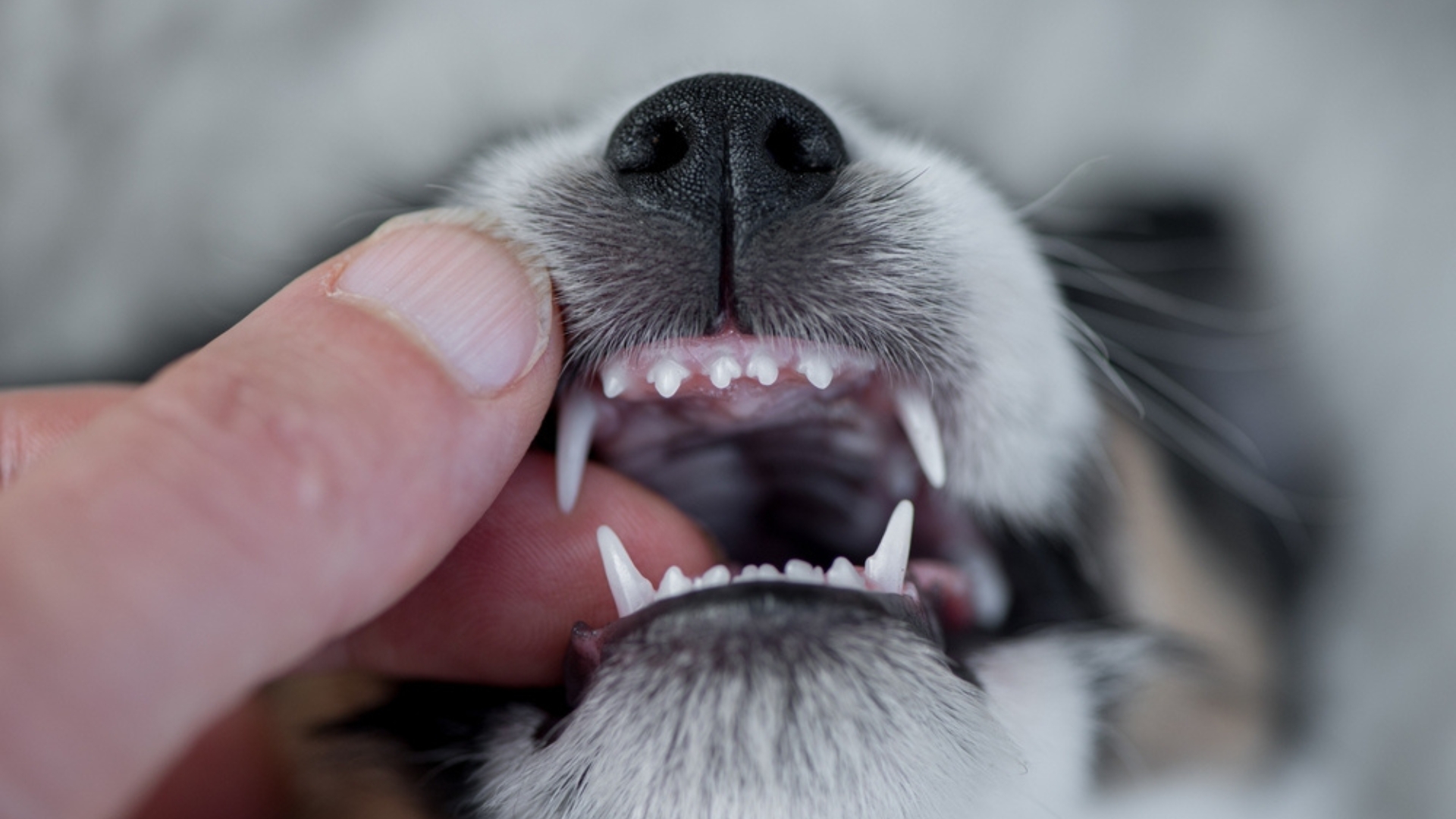
Retained deciduous teeth are baby teeth that do not fall out when your dog’s adult teeth start coming in. Many owners first notice the issue when it looks like their puppy has two teeth in one spot.
This may seem small, but it is not something to ignore. Retained baby teeth can cause crowding, bite problems, trapped food, gum disease, and long term dental issues. At Good Dog Veterinary Care, our team is here to evaluate your dog, identify the cause, and guide you toward the right next steps with confidence. Check out our all dog veterinary service in Georgia, locations here:
Quick Answer
Retained deciduous teeth are baby teeth that stay in place after the adult teeth have erupted.
They are most common in puppies between about 4 and 7 months old, when adult teeth are coming in quickly. In many cases, retained baby teeth need to be removed so the adult teeth have room to settle into the right position.
Without treatment, retained teeth can lead to crowding, abnormal bite alignment, plaque buildup, pain, and future dental problems.
What Are Retained Deciduous Teeth?
Simple definition
Retained deciduous teeth are puppy teeth that remain in the mouth after the adult teeth have started to erupt.
In a normal mouth, the baby tooth falls out before or as the adult tooth comes in. When that does not happen, the baby tooth and adult tooth can end up trying to occupy the same space.
That is why some owners describe it as seeing “two teeth in one spot.”
Why it happens
As adult teeth develop, the roots of the baby teeth are supposed to resorb. This means the body breaks down the root so the baby tooth can loosen and fall out.
When that process does not happen correctly, the baby tooth stays put. The adult tooth still needs to come in, so it may erupt at an angle or in the wrong position.
That misalignment can create crowding, bite issues, and painful contact between teeth or soft tissue.
Normal Puppy Teething Timeline
Baby teeth stage
Puppies are born without visible teeth. Their baby teeth usually start coming in around 3 weeks of age.
By about 6 weeks old, most puppies have their full set of 28 baby teeth.
These teeth are small, sharp, and temporary, but they still play an important role in early growth and chewing.
Adult teeth stage
Adult teeth usually start replacing baby teeth around 3.5 to 4 months of age.
By about 6 to 7 months old, most puppies have all 42 adult teeth.
This is the window when owners are most likely to notice retained baby teeth, especially around the canine teeth.
What should happen
As adult teeth come in, the baby teeth should loosen and fall out.
You may find tiny baby teeth on the floor, in bedding, or near toys, but many puppies swallow them while eating, which is usually not a problem.
The problem starts when the adult tooth comes in and the baby tooth is still there.
Signs Your Dog Has Retained Baby Teeth
Visible double teeth
The most obvious sign is seeing two teeth in one spot.
This often happens near the canine teeth, where the adult tooth comes in next to the baby tooth instead of replacing it.
Crowded or crooked teeth
You may notice adult teeth growing at an angle, sitting too close together, or pointing in an odd direction.
Crowding makes it easier for food, hair, and plaque to get trapped between teeth.
Bad breath or buildup
Bad breath in a puppy is not always just “puppy breath.”
If food and debris are getting stuck between crowded teeth, you may notice odor, tartar buildup, or irritated gums.
Pain or chewing changes
Some puppies may chew differently, avoid certain toys, drop food, or act sensitive around the mouth.
Others may seem more irritable than usual. If a tooth is pressing into the roof of the mouth or rubbing against another tooth, it can be uncomfortable.
Which Teeth Are Most Commonly Affected?
Upper canine teeth
The upper canine teeth are the most commonly retained baby teeth in dogs.
These are the longer fang like teeth near the front corners of the mouth.
Lower canines and incisors
Lower canine teeth and incisors are also commonly affected.
When lower canine teeth are retained, the adult canine may grow inward toward the roof of the mouth, which can cause pain and tissue damage.
Higher risk dogs
Retained deciduous teeth are more common in small breed dogs.
They are also seen more often in flat faced breeds like bulldogs, pugs, Boston terriers, and boxers. These dogs already have less space in the mouth, so crowding can become a bigger issue quickly.
Why Retained Teeth Are a Problem
Retained puppy teeth are not just a cosmetic issue. When a baby tooth stays in place, it can crowd the adult tooth and create problems that get worse over time.
Crowding and plaque buildup
When two teeth sit too close together, food and bacteria can get trapped between them.
That buildup can lead to tartar, irritated gums, bad breath, and gum disease. Over time, this can damage the surrounding teeth and gum tissue.
Abnormal bite
Retained teeth can force adult teeth to grow in the wrong position.
This is called malocclusion, which means the bite does not line up the way it should. A bad bite can affect how your dog chews, how the teeth wear down, and how comfortable the mouth feels.
Pain and tissue damage
Some retained teeth cause the adult teeth to shift inward or at an awkward angle.
In more serious cases, a tooth can press into the roof of the mouth or rub against soft tissue. That can be painful and may make eating uncomfortable.
Long term dental issues
If retained teeth are ignored, they can lead to bigger dental problems, including:
- Infection
- Tooth loss
- Jaw development issues
- Chronic gum inflammation
- Damage to nearby adult teeth
The earlier the issue is found, the easier it usually is to protect your puppy’s adult teeth.
When to See a Vet
If you notice double teeth, crowding, or a tooth that looks out of place, it is time to have your puppy checked.
Timing matters
The 5 to 7 month window is especially important because most puppies are finishing the transition from baby teeth to adult teeth.
At this stage, your vet can see whether the adult teeth are coming in correctly and whether any baby teeth are still hanging on.
Red flags
Schedule an exam if you notice:
- Double teeth
- Teeth growing at odd angles
- Bad breath with visible buildup
- Pain when eating or chewing
- Pawing at the mouth
- Bleeding or irritated gums
Even if your puppy is still eating normally, retained teeth can still be causing problems below the surface.
Why early action matters
Early treatment gives the adult teeth the best chance to move into a healthier position.
If the retained tooth is removed early enough, the adult tooth may shift naturally into better alignment. Waiting too long can make correction harder and may lead to more advanced dental treatment later.
Treatment Options
Treatment depends on your dog’s age, which tooth is retained, and whether the adult tooth has already shifted out of place.
Tooth extraction
The most common treatment is extracting the retained baby tooth.
This is done under anesthesia, oftentimes, paired with a spay/neuter so your dog is comfortable and still during the procedure. In many cases, extraction is recommended because the baby tooth is blocking the adult tooth from settling where it belongs.
What the procedure involves
Your veterinarian carefully removes the retained tooth while protecting the nearby adult tooth and its developing root.
This matters because puppy teeth can have long, delicate roots. The goal is to remove the baby tooth without damaging the adult tooth underneath or beside it.
What happens if you wait
Retained teeth usually do not fix themselves once the adult tooth is already in.
If treatment is delayed, the adult tooth may stay in the wrong position. In more serious cases, dogs may need advanced dental care or orthodontic treatment to correct the bite.
Recovery and Aftercare
Most puppies recover well after retained tooth extraction, especially when the issue is treated early.
What to expect after extraction
Your dog may have mild soreness for a short time after the procedure.
Most puppies bounce back quickly, but your vet will give you specific instructions based on the number of teeth removed and how the mouth looks after treatment.
Home care tips
Follow your vet’s aftercare instructions closely.
Common recommendations may include:
- Soft food temporarily
- Avoiding hard chew toys
- Keeping your dog from chewing aggressively
- Watching for swelling, bleeding, or discomfort
- Returning for any recommended follow up visits
The goal is to let the gums heal while protecting the adult teeth.
How to Prevent Dental Issues in Puppies
You cannot always prevent retained deciduous teeth, but you can catch them early.
Regular mouth checks
Check your puppy’s mouth weekly during teething.
Look for double teeth, crowding, crooked teeth, red gums, or teeth that seem to be growing in the wrong direction.
Early dental care habits
Start gentle brushing early so your puppy gets used to having their mouth handled.
This also makes it easier to notice changes during teething and build a healthier routine as your dog grows.
Routine vet visits
Regular puppy visits help your vet monitor tooth eruption and bite development.
Catching problems early can prevent more painful and expensive dental issues later.
Frequently Asked Questions About Retained Deciduous Teeth in Dogs
Do retained teeth fall out on their own?
Sometimes a baby tooth may still fall out during the normal teething window, but once the adult tooth has erupted and the baby tooth is still firmly in place, it often needs veterinary attention.
Is extraction always necessary?
Not always, but it is commonly recommended when the retained tooth is crowding the adult tooth, changing the bite, trapping debris, or causing pain.
Can retained teeth cause pain?
Yes. Retained teeth can cause pain if they push adult teeth into the wrong position, rub against other teeth, or cause a tooth to press into the roof of the mouth.
Are certain breeds more at risk?
Yes. Small breed dogs and flat faced breeds are more likely to have retained baby teeth.
How urgent is treatment?
It is important to schedule an exam as soon as you notice the issue. Early treatment can help prevent crowding, bite problems, gum disease, and long term damage.
When to Take Action
If your puppy has double teeth, do not wait and hope it fixes itself.
Early treatment can protect your dog’s adult teeth, prevent long term dental damage, and help avoid more complicated care later. At Good Dog Veterinary Care, our team provides all dog veterinary service in Atlanta, Georgia and is here to evaluate your dog and guide you through the right next steps. Explore our locations and schedule your visit here:
Subscribe to our newsletter
Stay up-to-date with the latest in veterinary care, tips for your dog’s health, and news from Good Dog Veterinary Care. Subscribe to our newsletter for expert insights, special updates, and exclusive offers delivered right to your inbox.