Pneumonia in Dogs: Signs and Treatment
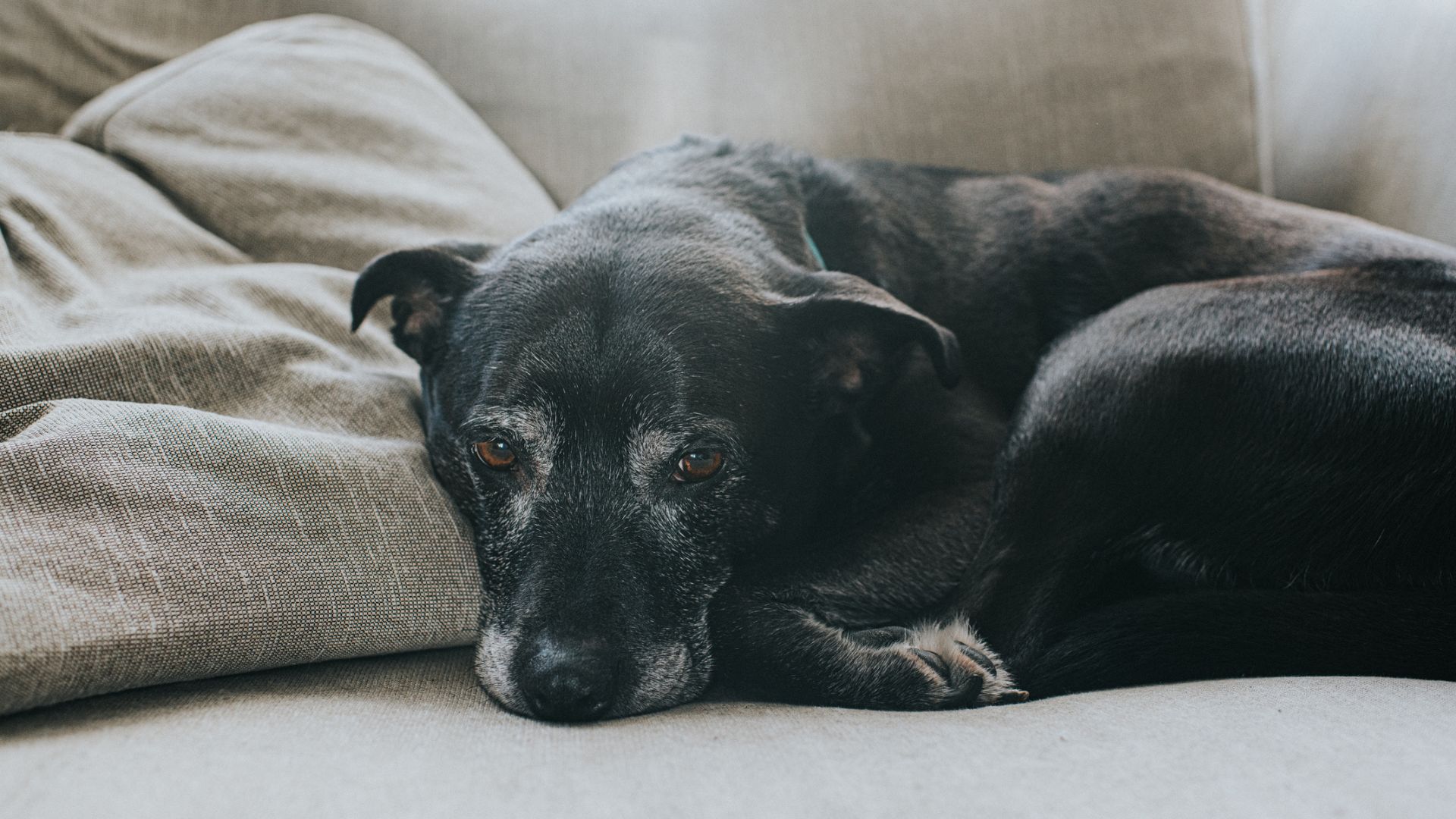
Pneumonia causes inflammation in a dog’s lungs and can make normal breathing difficult.
Common signs include coughing, fast or labored breathing, lethargy, fever, nasal discharge, and reduced appetite. Some dogs develop mild respiratory symptoms, while others can become seriously ill and struggle to get enough oxygen.
Pneumonia can have several causes. Dogs may develop it from bacterial, viral, fungal, or parasitic infections, or after accidentally inhaling food, liquid, vomit, or other material into the lungs.
Breathing problems should always be taken seriously. If your dog is breathing harder or faster than normal, seems extremely weak, or has pale, blue, or gray gums, prompt veterinary care is important.
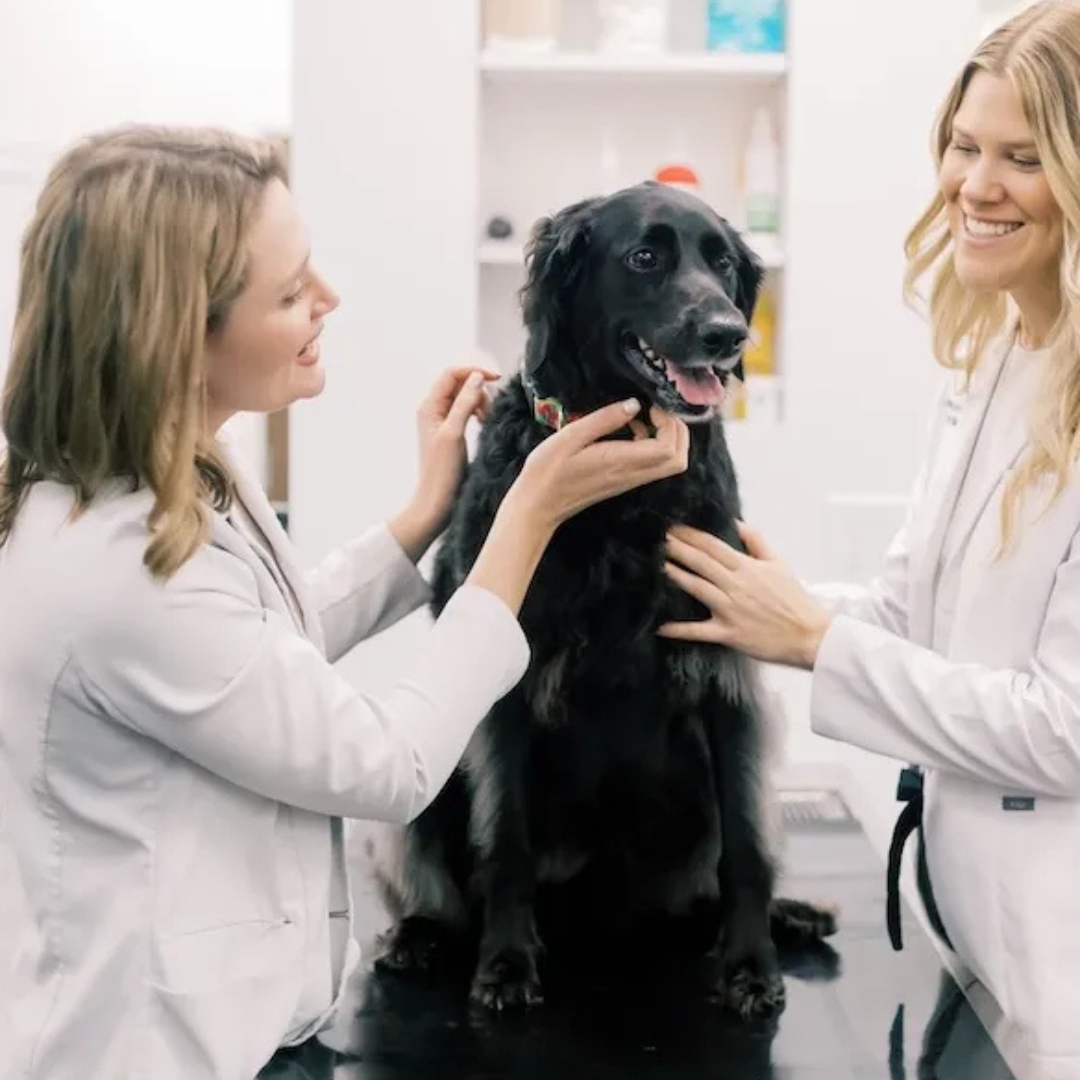
At Good Dog Veterinary Care, our all-dog veterinary teams can evaluate respiratory symptoms, determine what may be affecting your dog’s lungs, and recommend the appropriate testing and treatment. Reach out to one of our three Atlanta-area practices:
What is Pneumonia in Dogs?
Pneumonia is inflammation within the lungs that can cause fluid and inflammatory material to build up in the airways and air sacs. This interferes with normal oxygen exchange and can make breathing more difficult.
Possible causes include:
- Bacterial infection
- Viral infection
- Fungal infection
- Parasites
- Aspiration of food, liquid, or vomit
Dogs with significant breathing difficulty, severe lethargy, collapse, or blue or gray gums need prompt veterinary attention.
Symptoms of Pneumonia in Dogs
Pneumonia symptoms can range from fairly mild to severe.
Common signs include:
- Coughing
- Fast or labored breathing
- Wheezing
- Nasal discharge
- Fever
- Lethargy
- Reduced appetite
- Weakness
More serious signs can include:
- Significant difficulty breathing
- Respiratory distress
- Blue or gray gums
- Collapse
- Severe weakness
Coughing and lethargy alone do not necessarily mean a dog has pneumonia. Respiratory infections, heart disease, airway problems, and other conditions can cause similar symptoms, which is why an exam and diagnostic testing may be needed.
What Causes Pneumonia in Dogs?
There is no single cause of pneumonia. The type of pneumonia matters because treatment depends on what is causing the inflammation or infection in the lungs.
Bacterial Pneumonia
Bacterial pneumonia develops when bacteria infect the lungs.
It may occur as a primary infection or develop alongside another respiratory problem. Dogs that spend time around many other dogs, such as in boarding, daycare, shelter, or similar environments, may also have greater exposure to respiratory pathogens.
Aspiration Pneumonia
Aspiration pneumonia occurs when a dog accidentally inhales food, liquid, vomit, or another material into the lungs.
This can happen after:
- Vomiting
- Regurgitation
- Swallowing difficulties
- Certain medical procedures
- Anesthesia
Once material enters the lungs, it can cause significant inflammation and may lead to infection.
If your dog develops coughing or breathing changes after vomiting, regurgitating, or undergoing anesthesia, contact your veterinarian.
Viral Pneumonia
Certain viral respiratory infections can contribute to pneumonia.
Risk may be greater in unvaccinated dogs or dogs exposed to infected animals. Viral infections can also damage the respiratory tract in ways that make secondary bacterial infection more likely.
Fungal and Parasitic Pneumonia
Dogs can occasionally develop pneumonia after inhaling fungal spores from the environment.
Certain parasites can also migrate through or infect the lungs and cause inflammation.
These forms of pneumonia require different treatment than typical bacterial pneumonia, making an accurate diagnosis important.
Which Dogs Are More at Risk?
Any dog can develop pneumonia, but certain situations can increase the risk.
These may include:
- Puppies and older dogs
- Dogs with weakened immune systems
- Recent respiratory illness
- Frequent boarding, daycare, or group-dog exposure
- Frequent vomiting or regurgitation
- Swallowing disorders
- Recent anesthesia
- Medical conditions that increase the risk of aspiration
Having one of these risk factors does not mean a dog will develop pneumonia. It simply gives your veterinarian useful context when respiratory symptoms appear.
How is Pneumonia Diagnosed in Dogs?
Diagnosing pneumonia usually starts with a physical examination and may be followed by imaging or other testing.
Physical Exam
Your veterinarian will evaluate your dog’s breathing and overall condition.
This may include:
- Listening to the lungs
- Measuring respiratory rate and effort
- Checking body temperature
- Looking at gum color
- Evaluating hydration
- Assessing energy level and other symptoms
Abnormal lung sounds such as crackles or wheezing can raise concern, although some dogs with pneumonia may have quieter-than-normal lung sounds instead.
Chest X-Rays
Chest X-rays are one of the most useful tools for evaluating suspected pneumonia.
They allow the veterinarian to look for abnormal patterns within the lungs, including areas of inflammation or fluid buildup. X-rays can also help show how much of the lung is affected and provide a baseline for monitoring recovery.
Additional Testing
Depending on the severity of the illness and suspected cause, additional testing may include:
- Bloodwork
- Oxygen measurements
- Respiratory fluid samples
- Culture or PCR testing
- Bronchoscopy in selected cases
Not every dog needs every test. Your veterinarian will choose diagnostics based on your dog’s breathing, symptoms, X-ray findings, and overall condition.
How is Pneumonia in Dogs Treated?
Treatment depends on what caused the pneumonia and how severely the lungs are affected.
Treating the Underlying Cause
Bacterial pneumonia may be treated with antibiotics, while fungal pneumonia may require antifungal medication.
Aspiration pneumonia and other forms of the disease are managed based on the underlying problem and whether infection is present.
The goal is to treat the cause while helping the lungs recover.
Supportive Care
Dogs with more significant pneumonia may also need:
- Oxygen therapy
- IV fluids
- Nebulization or other respiratory support
- Hydration and nutritional support
- Hospitalization
Dogs struggling to breathe may require intensive care until their oxygen levels and breathing stabilize.
How Long Does it Take a Dog to Recover From Pneumonia?
Recovery time varies depending on the cause and severity of the pneumonia.
Some dogs begin feeling better fairly quickly once treatment starts, while more serious cases can require hospitalization and several weeks of recovery.
Follow-up exams and, in some cases, repeat chest X-rays can help confirm that the lungs are improving. Continue all medications exactly as prescribed, even if your dog seems much better before treatment is finished.
Is Pneumonia in Dogs Contagious?
Sometimes.
Certain bacterial or viral respiratory infections that lead to pneumonia can spread between dogs. Aspiration pneumonia and fungal pneumonia, however, are not typically contagious from one dog to another.
When Is Pneumonia an Emergency?
Difficulty breathing should not be watched at home for an extended period.
Seek prompt veterinary care if your dog develops:
- Labored breathing
- Rapid breathing while resting
- Blue or gray gums
- Severe weakness
- Collapse
- Significant lethargy with coughing
- Inability to eat or drink
- Worsening breathing after vomiting or regurgitation
A dog that is clearly struggling to breathe needs immediate veterinary attention.
Frequently Asked Questions About Pneumonia in Dogs
What Are the First Signs of Pneumonia in Dogs?
Early signs may include coughing, lethargy, fever, reduced appetite, nasal discharge, or faster breathing.
Can Dogs Recover From Pneumonia?
Yes. Many dogs recover with appropriate treatment, although severe cases may require hospitalization and a longer recovery period.
How Do Dogs Get Pneumonia?
Pneumonia can develop from bacterial, viral, fungal, or parasitic infections, or when food, liquid, or vomit is accidentally inhaled into the lungs.
Can Vomiting Cause Pneumonia in Dogs?
Yes. If vomit enters the lungs instead of being expelled normally, it can lead to aspiration pneumonia.
Is Pneumonia Contagious Between Dogs?
Some infections that cause pneumonia can spread between dogs, but aspiration and fungal pneumonia are not generally contagious.
How Is Pneumonia Diagnosed?
Veterinarians commonly use a physical exam and chest X-rays, with bloodwork or respiratory testing added when needed.
How Long Does Pneumonia Last in Dogs?
Recovery may take anywhere from days to several weeks depending on the cause, severity, and response to treatment.
Can Pneumonia Be Fatal in Dogs?
Yes. Severe pneumonia can interfere with oxygen exchange and become life-threatening, especially without prompt treatment.
Helping Your Dog Recover From Pneumonia
Pneumonia causes inflammation in the lungs and can make breathing difficult. Causes range from bacterial infections to aspiration, and common signs include coughing, fever, lethargy, and changes in breathing.
Diagnosis often involves chest X-rays and additional testing, while treatment depends on the cause and severity of the illness. Dogs with breathing difficulty should always be evaluated promptly.
If your dog is coughing, breathing harder than normal, unusually lethargic, or showing other signs of respiratory illness, Good Dog Veterinary Care can evaluate what is happening and recommend the appropriate next steps. Reach out to one of our three Atlanta-area practices:
Subscribe to our newsletter
Stay up-to-date with the latest in veterinary care, tips for your dog’s health, and news from Good Dog Veterinary Care. Subscribe to our newsletter for expert insights, special updates, and exclusive offers delivered right to your inbox.