How Often Should Dogs Get Teeth Cleaned?
Most dogs need a professional dental cleaning about once a year, but some dogs need care more often based on breed, size, age, dental history, and what you are doing at home between visits. That timing is not just about bad breath. It is about preventing pain, tooth loss, infection, and bigger health problems that can develop when dental disease is ignored.
Good Dog Veterinary Care is a dog-only team that provides veterinary services in Atlanta Georgia, and we help owners build realistic dental care plans based on what their dog actually needs, not a generic schedule.
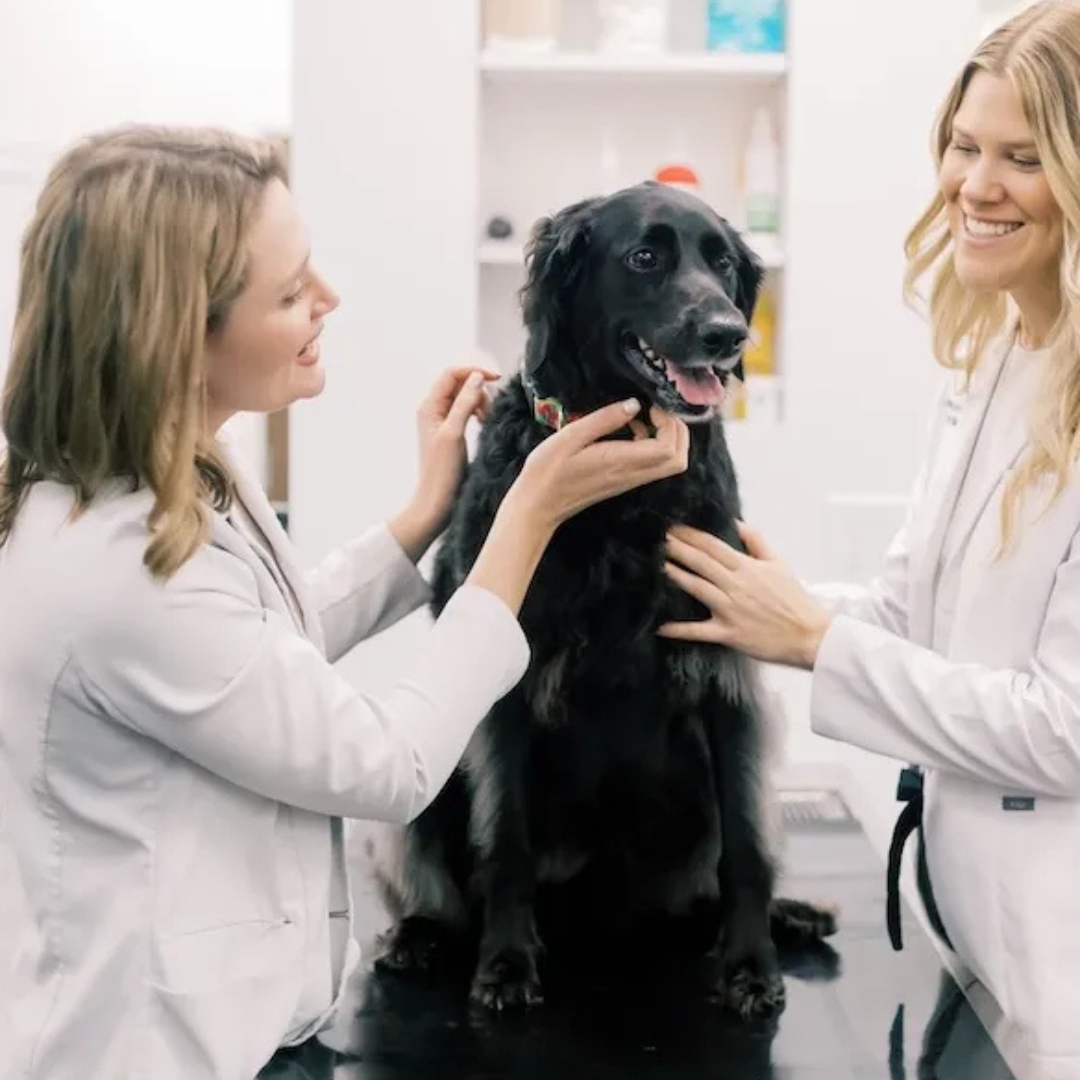
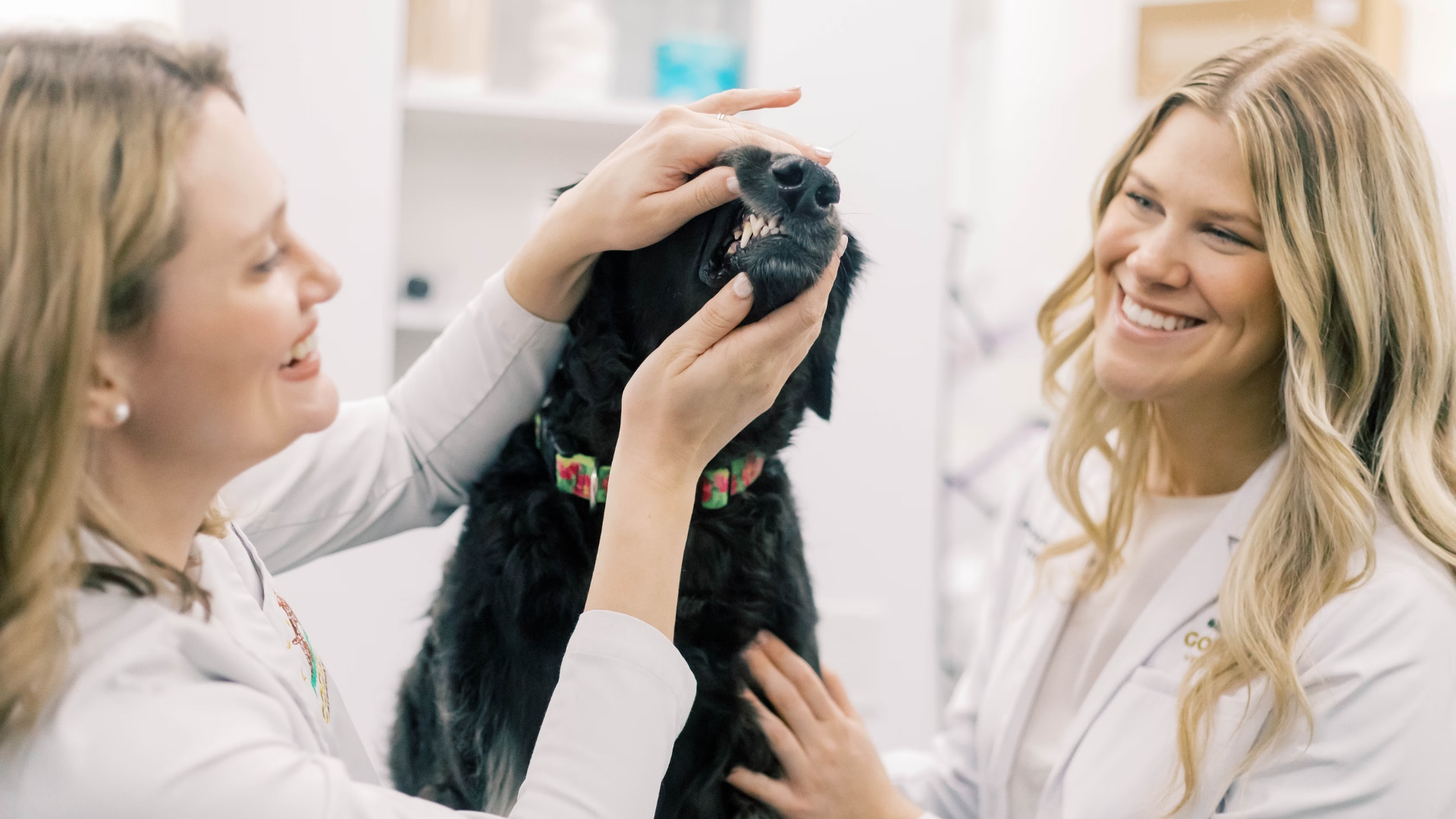
A healthy mouth can make a meaningful difference in your dog’s overall comfort and wellness. Canine dentistry is a primary focus for Greer Pratt, DVM, who provides care ranging from professional cleanings to dental disease treatment and tooth extractions.
Why Dog Dental Cleanings Matter More Than Most Owners Realize
Dental disease is common and often starts early
Dental disease is one of the most common health issues in dogs, and it often starts earlier than people expect. Many dogs show signs of dental disease by age 2 to 3, especially smaller breeds with crowded teeth. A dog can look happy and still have painful dental disease developing under the gumline.
It is not just a mouth problem
Dental disease can cause ongoing pain, inflamed gums, loose teeth, and infection. As bacteria build up in the mouth, they can also affect the body over time. That is why dental care matters for comfort, eating, and long term health.
Bad breath is usually a warning sign, not just “dog breath”
A lot of owners assume bad breath is normal. Mild dog breath can be normal. Strong foul breath usually is not. Halitosis is often one of the first signs of tartar buildup, gum inflammation, or infection, so it is worth taking seriously.
How Often Should Dogs Get Their Teeth Cleaned
The general rule for most dogs
For most dogs, a professional dental cleaning about once a year is a good starting point. Annual dental evaluations also help your vet catch problems before they become painful or expensive.
Dogs that may need cleanings every 6 months
Some dogs need dental cleanings every 6 months. This is more common in small breeds, dogs with crowded teeth, dogs with a history of dental disease, and dogs that build tartar quickly even with home care.
Dogs that may go longer between cleanings
Some larger dogs with excellent home care and low tartar buildup may go longer between cleanings. The key point is that this should be based on a veterinary exam, not guesswork.
Why there is no one size fits all schedule
Two dogs the same age can have very different mouths. Your dog’s tartar level, gum health, dental history, and exam findings matter more than a fixed timeline. That is why the best schedule is personalized.
What Affects How Often Your Dog Needs A Dental Cleaning
Breed and size
Small breeds often have crowded mouths, which makes plaque and tartar harder to control. Short faced dogs can also have crowding and alignment issues that increase risk. These dogs often need closer monitoring and earlier cleanings.
Age
Puppies usually do not need professional cleanings, but adult dogs and senior dogs need more regular monitoring. As dogs age, dental disease risk increases and hidden problems become more common.
At home dental care habits
Daily brushing can make a huge difference. Dogs with consistent home care often build tartar more slowly and may go longer between professional cleanings. Inconsistent home care usually means faster buildup.
Diet and chewing habits
Dogs that eat mostly soft food may build plaque and tartar faster than dogs that eat dry food or approved dental diets. Chewing habits also matter. Some dogs simply do not get enough natural plaque disruption from chewing.
Genetics and dental history
Some dogs are more prone to dental disease even when owners do everything right. If your dog has already had dental disease, extractions, or fast tartar buildup in the past, that history will affect future cleaning frequency.
When Should A Dog Get Their First Dental Cleaning
Typical age range for first cleaning
Many dogs need their first professional dental cleaning around 2 to 3 years old. Small breeds may need their first cleaning earlier because they often develop tartar and gum disease sooner.
Why waiting too long can create bigger problems
Dental disease does not stay cosmetic for long. Problems under the gumline can progress quietly and lead to pain, infection, and extractions. Waiting too long can also make treatment more involved and more expensive.
What your vet looks for before recommending timing
Your vet will look at tartar buildup, gum inflammation, bad breath, retained baby teeth, and overall oral exam findings. These details help determine whether your dog needs a cleaning now or can be monitored a little longer.
Signs Your Dog May Need A Dental Cleaning Sooner
Mouth and gum signs
Common mouth signs include bad breath, visible tartar buildup, red gums, bleeding gums, drooling, and loose teeth. These signs usually mean it is time for a dental exam.
Eating and behavior signs
Some dogs with dental pain chew on one side, drop food, eat more slowly, paw at the mouth, or rub their face. Others seem less interested in hard treats or chew toys they used to enjoy.
Urgent signs that should not wait
Facial swelling, severe oral pain, bleeding from the mouth, not eating, or a suspected broken tooth should not be treated as routine. These signs need prompt veterinary attention.
What Happens During A Professional Dog Dental Cleaning
Why anesthesia is used
Anesthesia is used for comfort, safety, and a complete dental evaluation. It allows the team to clean under the gumline, check each tooth properly, and perform dental imaging when needed. That is where many painful problems are found.
What is typically included
A professional dental cleaning usually includes an oral exam, scaling to remove plaque and tartar, polishing, dental X rays, and treatment planning. If diseased teeth are found, your vet may recommend additional treatment such as extractions.
Pre anesthesia safety steps
Before anesthesia, your dog will have an exam and usually bloodwork to help assess safety. During the procedure, trained staff monitor your dog closely.
Recovery basics
Most dogs are sleepy after a dental procedure and then improve as the anesthesia wears off. If extractions were done, your dog may go home with pain medication, feeding instructions, and a short recovery plan.
Can Dogs Get Their Teeth Cleaned Without Anesthesia
The short answer
A cosmetic tartar removal is not the same as a real dental cleaning. It may make teeth look cleaner above the gumline, but it does not address the areas where dental disease causes the most harm.
What anesthesia free cleanings miss
Anesthesia free cleanings miss disease below the gumline, dental X rays, painful teeth, and a full periodontal assessment. A dog can have a mouth that looks better on the surface while painful disease is still progressing underneath.
What owners should ask instead
Ask what is included in the procedure. Ask whether dental X rays are performed and how periodontal disease is evaluated. Those answers tell you whether the service is truly medical dental care or only cosmetic tartar removal.
How To Keep Your Dog’s Teeth Cleaner Between Professional Visits
Daily brushing is the best home tool
Daily brushing is the best thing most owners can do at home. Use dog toothpaste only, keep sessions short, and focus on consistency over perfection. Even a simple routine done regularly helps.
VOHC approved dental chews and products
VOHC approved dental chews and dental products can be helpful support. They can reduce plaque and tartar buildup in some dogs, but they work best as part of a full plan.
Dental diets and water additives
Dental diets and water additives may help some dogs, especially when paired with brushing and regular exams. They are not magic fixes, but they can be useful tools.
What home care can and cannot do
Home care can slow plaque and tartar buildup and help maintain oral health between visits. It cannot replace professional cleanings when dental disease is already present, especially below the gumline.
How Your Vet Decides The Right Cleaning Schedule For Your Dog
The exam based approach
Your vet will tailor the schedule based on plaque and tartar buildup, gum health, breed risk, past dental history, and current symptoms. This exam based approach is what makes the plan accurate.
Recheck timing and annual wellness visits
Routine wellness visits are the best time to catch dental disease early. Regular rechecks can prevent the situation where a dog goes from mild tartar to painful extractions before anyone realizes there is a problem.
Questions to ask at your dog’s next visit
Ask how your dog’s gum health looks today. Ask whether there are signs of periodontal disease. Ask how soon you should plan a cleaning and what home care would help most for your dog’s mouth.
Frequently Asked Questions About Dog Teeth Cleaning Frequency
How often should dogs get their teeth cleaned
Most dogs need a professional dental cleaning about once a year, but some need cleanings every 6 months and others may go longer based on exam findings and home care.
Do small dogs need dental cleanings more often
Often yes. Small dogs commonly have crowded teeth and develop dental disease earlier, so they may need earlier and more frequent cleanings.
What age should dogs get their first dental cleaning
Many dogs need their first professional cleaning around 2 to 3 years old. Small breeds may need one earlier depending on tartar buildup and gum health.
Is bad breath a sign my dog needs a dental cleaning
It can be. Strong bad breath is often a sign of tartar buildup, gum disease, or infection and should prompt a dental exam.
Are anesthesia free dog dental cleanings worth it
They may improve appearance above the gumline, but they do not replace a true professional dental cleaning with anesthesia, dental X rays, and full periodontal evaluation.
Can brushing replace professional dental cleanings
Brushing is excellent prevention and can help extend time between cleanings, but it does not replace professional treatment when dental disease is present.
How do I know if my dog has dental pain
Common signs include bad breath, chewing on one side, dropping food, pawing at the mouth, face rubbing, drooling, and avoiding hard treats or chew toys.
How much does a dog dental cleaning usually involve
The exact plan varies by dog. Some dogs need a straightforward cleaning, while others need dental X rays, extractions, or treatment for periodontal disease. Your vet can give a more accurate estimate after an exam.
Conclusion
Once a year is a common guideline, but the best dental cleaning schedule depends on your dog’s mouth, risk factors, and dental history. A personalized plan catches problems earlier and helps prevent pain before it starts.
If your dog has bad breath, tartar buildup, or signs of mouth discomfort, now is a great time to schedule a dental exam. Good Dog Veterinary Care provides all dog veterinary services in Atlanta, Georgia and can help you build the right cleaning schedule with a practical home care plan that fits real life.
Subscribe to our newsletter
Stay up-to-date with the latest in veterinary care, tips for your dog’s health, and news from Good Dog Veterinary Care. Subscribe to our newsletter for expert insights, special updates, and exclusive offers delivered right to your inbox.