Why is My Dog Not Eating? A Guide
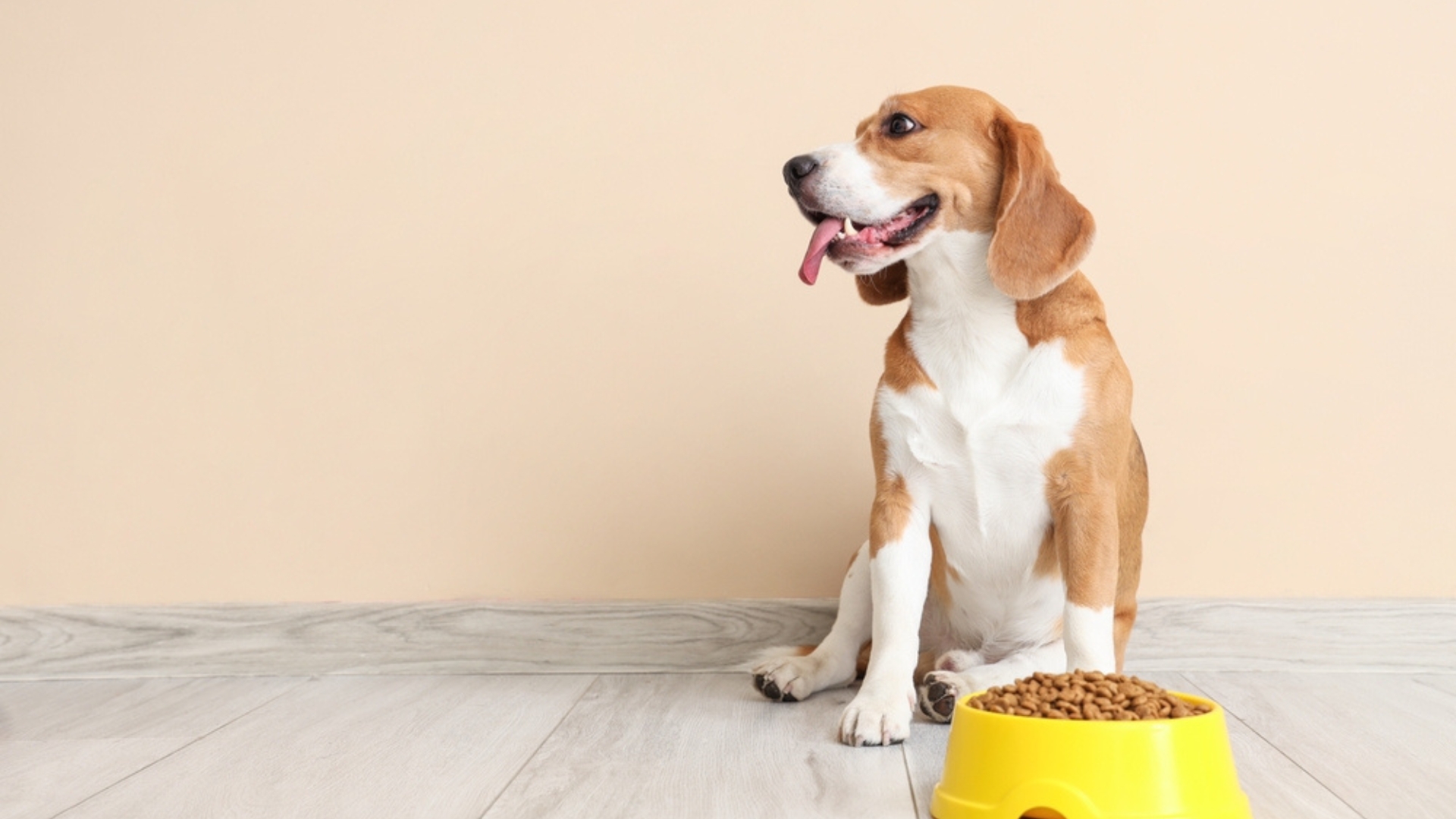
Most dogs are not subtle about food. If dinner hits the bowl, they are usually ready. So when your dog suddenly skips a meal, eats less than usual, or refuses food completely, it gets your attention fast.
A dog not eating can mean a few different things. Some dogs skip one meal and bounce right back. Some still eat treats but leave their normal food behind. Others refuse everything, including favorite snacks. Those situations are not all the same.
Appetite loss is not a diagnosis. It is a symptom. Sometimes the cause is mild, like an upset stomach or stress. Other times, it can point to dental pain, illness, something your dog swallowed, or a medical emergency.
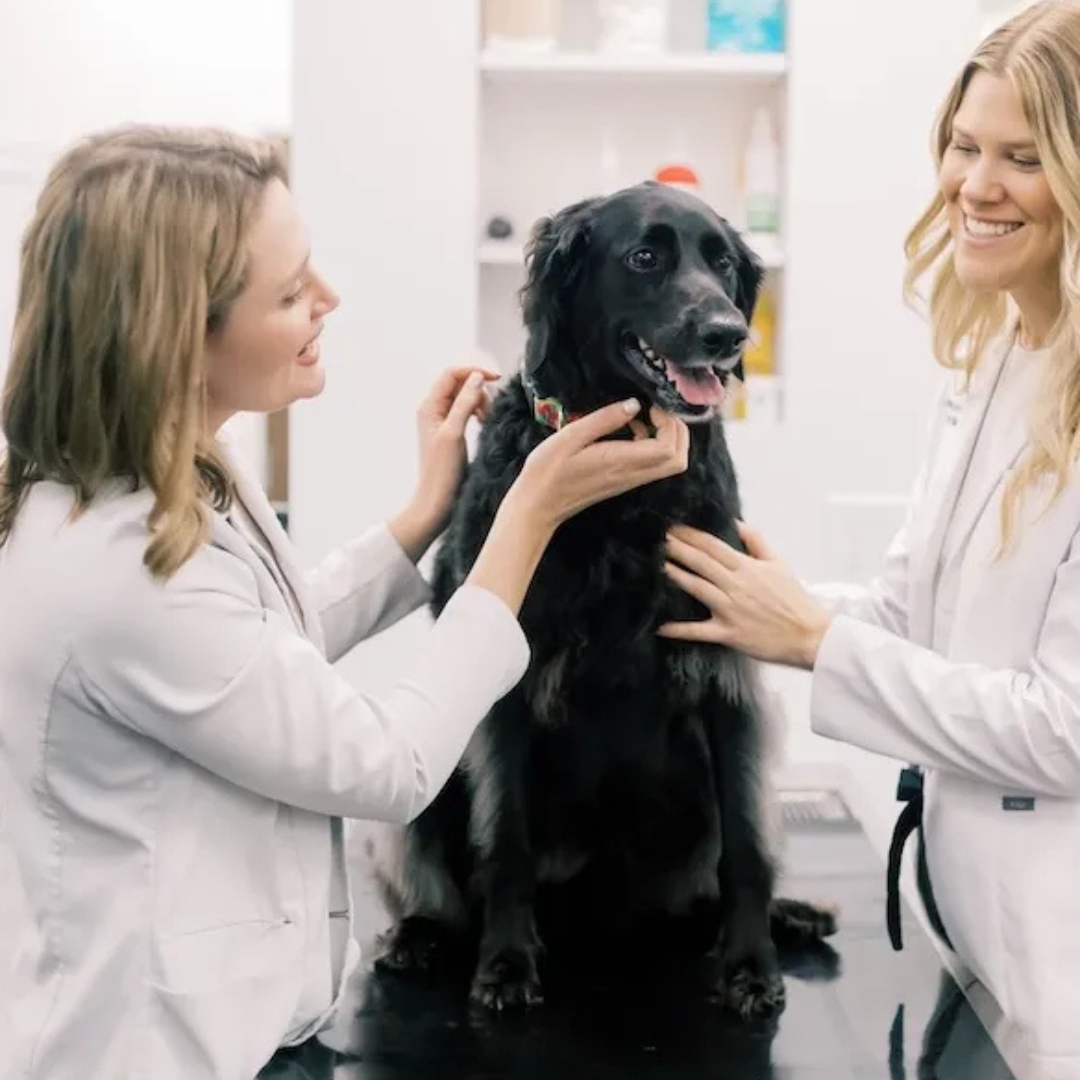
At Good Dog Veterinary Care, we provide dog-only veterinary care throughout the Atlanta area and help diagnose the underlying cause of appetite loss, whether it's a mild stomach upset or a more serious medical condition.
If your dog is not eating, reach out to one of our locations:
Why is My Dog Not Eating?
Dogs may stop eating because of an upset stomach, dental pain, illness, stress, medication side effects, pain, environmental changes, or eating something they should not have. Appetite loss can also be linked to underlying diseases such as kidney disease, diabetes, pancreatitis, infections, or cancer.
If your dog skips one meal but is otherwise acting normal, you can usually monitor closely. If your dog refuses food for more than a day, seems uncomfortable, or has other symptoms, call your veterinarian.
Seek prompt veterinary attention if appetite loss comes with:
- Vomiting
- Diarrhea
- Lethargy
- Abdominal pain
- Trouble breathing
- Collapse
- Repeated retching
- Signs your dog may have swallowed something
A dog not eating is always easier to address when the cause is found early.
Is it Normal for Dogs to Skip a Meal?
Sometimes, yes. But the details matter.
Occasionally Skipping One Meal
If your adult dog skips one meal but is drinking water, acting normal, and has no vomiting, diarrhea, pain, or weakness, it may not be serious. Some dogs have off days, especially after a schedule change, extra treats, mild stomach upset, or a stressful event.
Still, keep an eye on them. One skipped meal is different from a pattern.
Eating Less Than Usual
If your dog is eating, but much less than normal, monitor closely. This can be an early sign that something is not right. Dogs may pick at food when they are nauseous, stressed, painful, or developing an illness.
Watch for changes in energy, stool, thirst, urination, behavior, and whether they are still interested in treats.
Completely Refusing Food
A dog refusing all food needs more attention. If your dog will not eat their regular food, treats, bland food, or favorite snacks, that is more concerning than simple pickiness.
Complete appetite loss should be taken seriously, especially in puppies, senior dogs, diabetic dogs, dogs with known medical conditions, or dogs known to eat foreign material.
Why is My Dog Not Eating? Common Causes
There are many reasons a dog may lose interest in food. Some are temporary. Others need veterinary care.
Mild Stomach Upset
One of the most common reasons dogs stop eating is mild digestive upset. This can happen after eating something unusual, eating too fast, getting into rich foods, or having a temporary GI irritation.
Some dogs may refuse breakfast after too many treats the day before. Others may seem a little nauseous, lick their lips, swallow more, or walk away from food they normally love.
If mild stomach upset is the cause, appetite may return quickly. But if vomiting, diarrhea, bloating, pain, or repeated refusal to eat shows up, your dog should be checked.
Dental Pain
Dental pain can make eating uncomfortable or even impossible. Dogs may still act hungry, walk to the bowl, sniff the food, and then back away because chewing hurts.
Possible dental causes include:
- Broken teeth
- Loose teeth
- Infected teeth
- Gum disease
- Oral masses or tumors
- Painful inflammation in the mouth
Some dogs with dental pain chew on one side, drop food, avoid hard kibble, drool more, or have bad breath.
Good Dog Veterinary Care provides dental exams, dental cleanings, dental radiographs, oral surgery, and extractions when needed to help identify and treat painful mouth problems.
Stress and Anxiety
Dogs can lose their appetite when they feel stressed. Even dogs that normally love food may stop eating when their routine changes or they feel unsettled.
Common stress triggers include:
- Moving
- Houseguests
- Boarding
- Fireworks
- A new pet
- A new baby
- Schedule changes
- Separation anxiety
Stress-related appetite loss may improve once your dog feels safe again, but it should not be ignored if it continues or comes with other symptoms.
Environmental Changes
Sometimes the issue is not illness, but something in your dog’s environment. Dogs notice changes more than we think.
Appetite can change after:
- Switching to a new food
- Using a new food bowl
- Moving the food bowl
- Construction in the home
- Travel
- Changes in household routine
- Feeding near another pet
Some dogs dislike a new bowl because of the sound, height, shape, or reflection. Others may avoid eating if the feeding area feels busy or stressful.
Pain
Pain can affect appetite even when the pain is not in the mouth or stomach. Dogs in pain may feel too uncomfortable to stand, bend down, walk to the bowl, or focus on eating.
Pain-related appetite loss may be linked to:
- Arthritis
- Joint injuries
- Back pain
- Neck pain
- Abdominal pain
- Muscle strain
- Trauma
If your dog is also limping, moving slowly, trembling, hiding, guarding their belly, or struggling to get comfortable, appetite loss may be part of a bigger pain picture.
Illness
Many medical conditions can reduce appetite. Sometimes appetite loss is one of the first signs owners notice.
Possible medical causes include:
- Kidney disease
- Liver disease
- Diabetes
- Pancreatitis
- Infections
- Heart disease
- Fever
- Hormonal disorders
These conditions can make dogs feel nauseous, weak, painful, dehydrated, or generally unwell. If your dog is not eating and also drinking more, urinating more, losing weight, vomiting, having diarrhea, coughing, or acting tired, schedule a veterinary exam.
Medication Side Effects
Some medications can temporarily reduce appetite or cause nausea. This may happen after starting a new medication, changing a dose, or combining medications.
Do not stop a prescribed medication without talking to your veterinarian first. Instead, call and explain what you are seeing. Your vet may adjust the plan, recommend giving the medication with food, or check whether something else is going on.
Something Stuck or Swallowed
Some dogs stop eating because they swallowed something they should not have. Toys, socks, bones, corn cobs, trash, string, and pieces of chewed objects can cause irritation, blockage, or injury in the digestive tract.
This is especially concerning if your dog is vomiting, retching, drooling, acting painful, bloated, restless, or unable to keep food or water down.
A swallowed foreign object can become an emergency, especially if it causes an obstruction. If you suspect your dog ate something dangerous or non-food, call your veterinarian right away.
What You Can Safely Try at Home
If your adult dog skipped one meal but is otherwise acting normal, you can try a few simple steps at home. The goal is to encourage eating without making the problem worse.
Warm the Food
Warming food slightly can make it smell stronger and more appealing. Make sure it is warm, not hot, before offering it.
Offer Bland Food When Appropriate
For mild stomach upset, some dogs may tolerate a bland option like plain boiled chicken and rice. This is not right for every dog, especially dogs with food allergies, kidney disease, diabetes, pancreatitis history, or other medical conditions.
When in doubt, call your veterinarian first.
Keep Fresh Water Available
Make sure your dog has clean, fresh water. Do not force them to drink, but monitor whether they are drinking normally, more than usual, or not at all.
Reduce Treats and Table Food
Too many treats or table scraps can reduce interest in regular meals and may upset your dog’s stomach. Keep food simple while you are monitoring appetite.
Create a Quiet Eating Environment
Feed your dog in a calm, low-stress place. This is especially helpful if there are other pets, houseguests, construction noise, or recent routine changes.
Monitor Closely
Track when your dog last ate, how much water they are drinking, whether they are vomiting or having diarrhea, and whether their energy level has changed.
What Not to Do
Do not force feed your dog. This can create stress and may be unsafe if your dog is nauseous or has a swallowing issue.
Do not keep changing foods every meal. Constant switching can upset the stomach and make it harder to know what is helping.
Do not give human medications. Many human medications are unsafe for dogs and can make the situation worse.
When Should You Call the Vet?
Appetite loss is not something to ignore, especially when it lasts or comes with other symptoms.
Schedule a Same-Day Appointment
Call your veterinarian for a same-day appointment if your dog:
- Has not eaten for 24 hours
- Is vomiting
- Has diarrhea
- Seems painful
- Is lethargic
- Is eating much less than normal
- Is drinking much more or much less than usual
- Has known medical conditions
Even if the cause is mild, a same-day visit can help prevent dehydration, worsening nausea, or a missed diagnosis.
Seek Emergency Care
Appetite loss may be an emergency if your dog:
- Is a puppy
- Is diabetic
- Collapses
- Has a bloated or painful abdomen
- Is vomiting repeatedly
- May have swallowed a foreign object
- Has trouble breathing
- Cannot keep water down
- Is extremely weak or disoriented
If you are unsure whether it is urgent, call your veterinarian or an emergency veterinary hospital for guidance.
How Veterinarians Find the Cause
A good exam can tell your veterinarian a lot. Appetite loss has many possible causes, so the goal is to narrow down what is actually happening.
Physical Examination
Your veterinarian will check your dog’s temperature, hydration, abdomen, heart, lungs, body condition, pain response, and overall behavior. They will also ask when the appetite change started and what other symptoms you have noticed.
Dental Exam
A dental exam can identify broken teeth, gum disease, oral pain, swelling, infection, or masses that may make eating uncomfortable.
Bloodwork
Bloodwork helps check organ function, infection, inflammation, blood sugar, hydration status, and other internal changes that may not be visible from the outside.
Good Dog Veterinary Care offers in-house laboratory testing, which can help provide answers quickly when a dog is not eating.
X-Rays
Radiology can help look for foreign objects, obstruction patterns, masses, organ changes, constipation, or other issues that may affect appetite.
Ultrasound
Ultrasound gives a closer look at soft tissue organs like the stomach, intestines, liver, kidneys, spleen, and bladder. This can be helpful when appetite loss may be linked to internal disease.
Parasite Testing
Fecal testing can help identify intestinal parasites or GI issues, especially in puppies or dogs with diarrhea, weight loss, or ongoing digestive symptoms.
Additional Diagnostics
Depending on your dog’s symptoms, your veterinarian may recommend additional testing, imaging, or specialist consultation. Good Dog Veterinary Care offers diagnostic services including radiology, ultrasound, in-house laboratory testing, blood work, and pharmacy support.
Frequently Asked Questions About Dogs Not Eating
Why is my dog not eating but acting normal?
Your dog may have mild stomach upset, stress, food preferences, dental discomfort, or an early illness that has not caused obvious symptoms yet. If your dog skips one meal but acts normal, monitor closely. If they do not eat within 24 hours or symptoms develop, call your veterinarian.
How long can a dog go without eating?
Adult dogs may be able to go longer than a day without food, but that does not mean you should wait several days. If your dog refuses food for 24 hours, or sooner if they are a puppy, diabetic, senior, or sick, contact your veterinarian.
Should I worry if my dog skips one meal?
One skipped meal is not always an emergency if your dog is drinking, acting normal, and has no other symptoms. But if your dog skips multiple meals, refuses treats, seems tired, vomits, has diarrhea, or appears painful, it is time to call the vet.
What can I feed a dog that won't eat?
You can try warming their regular food, offering a small amount of bland food if appropriate, or adding a little warm water to soften the meal. Do not offer rich foods, greasy foods, or constant new options. Dogs with medical conditions should not have diet changes without veterinary guidance.
Why is my dog drinking water but not eating?
Drinking water but not eating can happen with nausea, fever, kidney disease, diabetes, infection, pain, or other medical issues. If your dog is drinking much more than usual or has other symptoms, schedule a veterinary exam.
Can stress make dogs stop eating?
Yes. Stress, anxiety, travel, boarding, new pets, houseguests, fireworks, or major routine changes can cause appetite loss. Stress-related appetite loss should improve as your dog settles, but if it continues or becomes severe, call your veterinarian.
Should I force my dog to eat?
No. Do not force feed your dog unless your veterinarian gives specific instructions. Force feeding can increase stress and may be unsafe if your dog is nauseous, painful, weak, or having trouble swallowing.
When is not eating an emergency?
Not eating is an emergency if your dog is a puppy, diabetic, collapsing, repeatedly vomiting, has a bloated abdomen, may have swallowed something, has trouble breathing, seems extremely weak, or cannot keep water down.
Conclusion
A dog not eating is not a disease by itself. It is a symptom, and the cause can range from mild stress or stomach upset to dental pain, swallowed objects, chronic illness, or an emergency.
If your dog skips one meal and otherwise seems normal, close monitoring may be enough. But persistent appetite loss should never be ignored.
If your dog's appetite changes or you are concerned about an underlying medical condition, Good Dog Veterinary Care can help identify what is going on and recommend the next step. Contact one of our Atlanta-area locations to schedule care:
Subscribe to our newsletter
Stay up-to-date with the latest in veterinary care, tips for your dog’s health, and news from Good Dog Veterinary Care. Subscribe to our newsletter for expert insights, special updates, and exclusive offers delivered right to your inbox.