Dog Ear Infection Symptoms
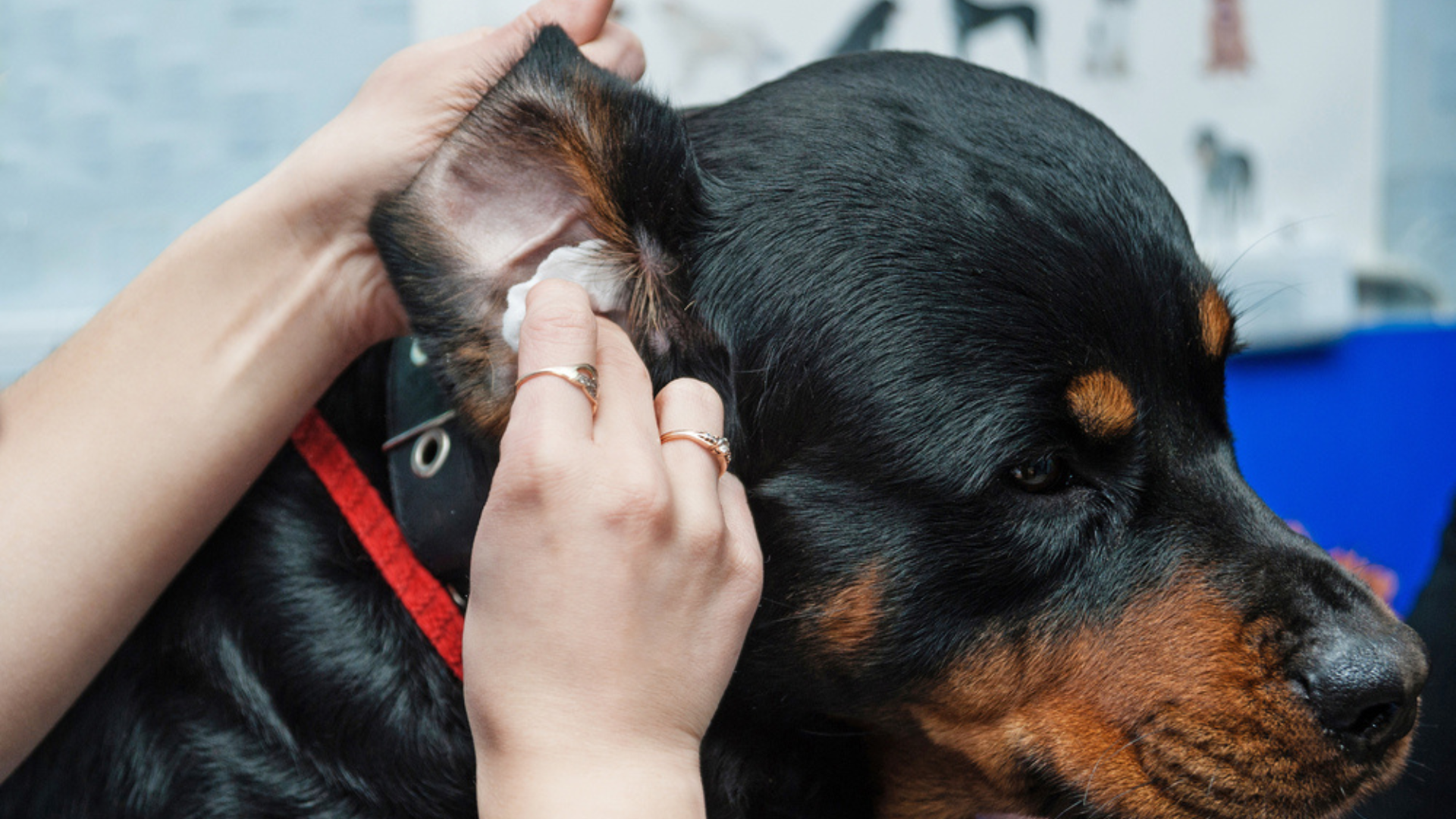
Dog ear infections are common, painful, and easy to underestimate. At first, it may look like your dog is just shaking their head or scratching a little more than usual. But ear infections can become uncomfortable fast, and if they are not treated correctly, they can keep coming back or lead to deeper ear problems.
At Good Dog Veterinary Care, we provide dog-only veterinary care in Atlanta, Georgia and can diagnose ear infections, allergies, skin issues, and other causes of ear discomfort.
If your dog is shaking their head, scratching their ears, or seems uncomfortable, reach out to one of our locations:
Quick Answer: What Are Dog Ear Infection Symptoms?
Common dog ear infection symptoms include head shaking, scratching, redness, swelling, odor, discharge, wax buildup, and pain when the ear is touched.
Some dogs also develop a head tilt or balance problems if the infection becomes more serious or affects deeper parts of the ear.
Watch for:
- Head shaking
- Scratching or pawing at the ear
- Redness inside the ear
- Swelling
- Strong or unusual ear odor
- Discharge or heavy wax buildup
- Pain when touched near the ear
- Head tilt
- Balance problems or stumbling in serious cases
If your dog has ear pain, odor, discharge, swelling, or a head tilt, schedule a veterinary exam.
What Is a Dog Ear Infection?
A dog ear infection happens when the ear canal becomes inflamed and microorganisms grow out of balance. Yeast, bacteria, or both may be involved.
Ear infections are often connected to an underlying trigger, such as allergies, moisture, parasites, a foreign object, or a skin condition. That is why simply cleaning the ear is usually not enough.
Outer Ear vs. Middle or Inner Ear Problems
Most dog ear infections start in the outer ear canal. These can still be very painful, but they are usually easier to treat when caught early.
Middle and inner ear problems are more serious. These may affect hearing, balance, head position, and coordination. A dog with a head tilt, stumbling, circling, or facial changes needs prompt veterinary care.
Early Signs of an Ear Infection in Dogs
Ear infections often start with small behavior changes. If you know what to watch for, you can catch the problem before it becomes more painful.
Head Shaking
Frequent head shaking is one of the most common signs. Your dog may shake their head after waking up, after scratching, or repeatedly throughout the day.
Scratching or Rubbing the Ear
Dogs with irritated ears may scratch with a back foot or rub their head against furniture, rugs, bedding, or your leg. This is usually a sign that the ear feels itchy, painful, or full.
Ear Odor
A strong, sour, musty, or unpleasant smell from the ear is not normal. Odor often points to yeast, bacteria, or trapped debris inside the ear canal.
Redness Inside the Ear
The inside of the ear may look red, irritated, or inflamed. Even mild redness can matter if your dog is also shaking, scratching, or acting sensitive.
Extra Wax or Discharge
Some wax is normal, but heavy buildup or discharge can be a sign of infection. Discharge may look dark brown, yellow, tan, moist, chunky, or thick.
Sensitivity When Touched
If your dog pulls away, whines, flinches, or does not want their ear touched, the ear may be painful. Do not force an exam at home if your dog is uncomfortable.
More Serious Symptoms to Watch For
Some ear symptoms mean the infection may be more advanced, painful, or affecting deeper structures.
Ear Swelling
Swelling inside the ear canal can make the opening look smaller. Swelling of the ear flap may also happen if your dog scratches or shakes hard enough to damage blood vessels.
Scabbing or Sores
Scabs, scratches, or sores around the ear often come from repeated scratching. Once the skin is damaged, infection and irritation can worsen.
Thick, Dark, Yellow, or Bloody Discharge
Heavy discharge is a sign your dog needs veterinary care. Bloody discharge, pus-like material, or a sudden increase in debris should not be ignored.
Head Tilt
A head tilt can happen with ear pain, but it may also signal a deeper ear problem. If your dog is tilting their head and acting off balance, call your veterinarian promptly.
Loss of Balance or Walking in Circles
Balance problems, stumbling, falling, or walking in circles can point to middle or inner ear involvement. These signs are more urgent.
Hearing Changes
If your dog seems less responsive to sound, startles more easily, or does not react when called, hearing may be affected.
Lethargy or Appetite Changes
Ear infections can be painful enough to make a dog tired, withdrawn, irritable, or less interested in food.
Facial or Eye Changes
Facial drooping, uneven blinking, unusual eye movement, eye discharge, or changes around the face may suggest deeper inflammation or nerve involvement. These signs need urgent evaluation.
What Causes Dog Ear Infections?
Ear infections usually happen because something disrupts the normal environment inside the ear. Treating the infection matters, but finding the trigger matters too.
Allergies
Environmental allergies and food allergies are common reasons dogs develop recurring ear infections. Allergies inflame the skin inside the ear canal, making it easier for yeast and bacteria to overgrow.
Yeast and Bacteria Overgrowth
Dogs naturally have microorganisms in and on their skin. When the ear becomes inflamed, moist, irritated, or unhealthy, yeast and bacteria can multiply and cause infection.
Moisture
Swimming, bathing, grooming, and humid weather can leave moisture trapped in the ear canal. Moisture creates a warm environment where yeast and bacteria can grow.
Ear Mites or Parasites
Ear mites are more common in puppies and some environments, but they can cause intense itching, debris, and irritation. Parasites should be diagnosed and treated by a veterinarian.
Foreign Objects
Grass seeds, foxtails, dirt, plant material, and debris can get stuck in the ear. A foreign object can cause sudden pain, head shaking, discharge, and infection.
Ear Shape and Breed Risk
Dogs with floppy ears, narrow ear canals, or heavy ear hair may be more prone to ear problems because airflow is limited and moisture can get trapped.
Hormonal or Skin Conditions
Conditions like hypothyroidism, immune-related skin disease, and chronic skin inflammation can affect ear health. If ear infections keep coming back, your veterinarian may look for an underlying medical reason.
How Veterinarians Diagnose Ear Infections
A good ear infection exam is not just about looking in the ear and guessing. Your veterinarian needs to identify what is causing the problem and make sure the treatment is safe for your dog.
Medical History
Your veterinarian will ask when the symptoms started, whether one or both ears are affected, if your dog has had ear infections before, and whether allergies, swimming, grooming, or recent bathing may be involved.
Ear Exam
The outside of the ear is checked for redness, swelling, scabs, discharge, odor, pain, and thickened skin. Your vet will also look for signs of allergies or skin disease that may be contributing to the ear problem.
Otoscope Exam
An otoscope allows your veterinarian to look deeper into the ear canal. This helps check for debris, swelling, foreign material, canal narrowing, or signs of a deeper infection.
Checking the Eardrum
The eardrum matters because some medications and cleaners are not safe if it is damaged. If the ear is too painful or swollen to fully examine, your veterinarian may need to treat inflammation first or recommend sedation.
Ear Cytology and Microscope Testing
Ear cytology is one of the most useful tests for ear infections. A small sample of debris is collected and examined under a microscope to look for yeast, bacteria, inflammatory cells, or mites.
Good Dog Veterinary Care offers diagnostic support, including in-house laboratory testing, to help guide treatment.
Culture for Chronic Cases
If your dog has recurring infections, severe infection, or poor response to treatment, your veterinarian may recommend a culture. This helps identify the specific bacteria involved and which medications are most likely to work.
Sedation if the Ear Is Painful
Some dogs are too painful for a complete ear exam or cleaning while awake. Sedation may be recommended so the ear can be evaluated safely and comfortably.
Advanced Imaging for Deep or Chronic Cases
For deep, chronic, or complicated ear disease, advanced imaging or specialist consultation may be needed to evaluate the middle or inner ear.
Why Ear Infections Keep Coming Back
Recurring ear infections usually mean there is an underlying trigger that has not been fully controlled.
Common reasons include:
Untreated Allergies
Allergies are one of the biggest reasons dogs get repeated ear infections. If the allergy inflammation stays active, the ear remains vulnerable.
Moisture
Moisture from swimming, bathing, grooming, or humidity can make the ear canal a better place for yeast and bacteria to grow.
Incomplete Treatment
Stopping medication too early or skipping recheck appointments can allow infection to return.
Resistant Bacteria
Some bacteria become harder to treat, especially in chronic or repeated infections. This is when culture testing may be important.
Chronic Inflammation
Long-term inflammation can thicken and narrow the ear canal, making infections harder to clear and easier to repeat.
Anatomy or Breed Risk
Dogs with floppy ears, narrow canals, heavy ear hair, or skin folds near the ear may be more prone to trapped moisture and poor airflow.
Missed Underlying Disease
Hormonal disease, immune-related skin disease, foreign material, masses, or chronic middle ear issues can all contribute to repeat infections.
How to Help Prevent Ear Infections
Not every ear infection can be prevented, but good habits can lower the risk and help you catch problems early.
Check Your Dog’s Ears Regularly
Look for redness, odor, discharge, swelling, or sensitivity. If you know what your dog’s normal ears look and smell like, changes are easier to catch.
Dry Ears After Bathing or Swimming
Moisture can trigger ear problems. After water exposure, gently dry the outer ear and ask your vet whether your dog needs a drying solution.
Use Vet-Approved Cleaning Only
Only use ear cleaners recommended by your veterinarian. Random products can irritate the ear or make a problem worse.
Manage Allergies
If your dog has itchy skin, paw licking, recurring ear infections, or seasonal flare-ups, allergy management may be part of prevention.
Stay Current on Parasite Prevention
Parasite control helps reduce irritation and ear problems related to mites or other pests.
Avoid Deep Cotton Swabs
Do not push cotton swabs deep into the ear canal. This can push debris farther in or injure sensitive tissue.
Keep Up With Wellness Exams
Regular veterinary exams help catch ear, skin, allergy, and hormone-related issues before they become chronic.
How Good Dog Veterinary Care Can Help
Good Dog Veterinary Care is a dog-only practice serving the Atlanta area with care designed around canine health.
For dogs with ear infections, our team can help with:
- Ear infection exams
- Allergy and dermatology support
- Diagnostic testing
- In-house laboratory testing
- Pharmacy support
- Urgent and sick visits
- Chronic ear infection planning
- Long-term prevention strategies
Whether this is your dog’s first ear infection or a recurring issue, we can help identify the cause and create a treatment plan that fits your dog’s needs.
Frequently Asked Questions About Dog Ear Infections
What are the first signs of a dog ear infection?
The first signs are often head shaking, scratching, rubbing the ear, odor, redness, wax buildup, or sensitivity when the ear is touched.
What does a dog ear infection smell like?
A dog ear infection may smell sour, musty, yeasty, or generally unpleasant. A strong ear odor is not normal and should be checked.
Can a dog ear infection go away on its own?
Most dog ear infections do not fully go away on their own. They usually need veterinary diagnosis and treatment, especially if there is pain, odor, discharge, or swelling.
Can I clean my dog’s infected ear at home?
Do not clean an infected ear without veterinary guidance. Cleaning may be part of treatment, but the wrong product or technique can irritate the ear or cause harm.
When should I take my dog to the vet for an ear infection?
Schedule a vet visit if your dog has head shaking, scratching, odor, redness, swelling, discharge, pain, or recurring ear symptoms. Seek urgent care for head tilt, balance problems, severe pain, bleeding, or facial changes.
Why does my dog keep getting ear infections?
Recurring ear infections are often linked to allergies, moisture, chronic inflammation, anatomy, resistant bacteria, or an underlying medical condition.
Are dog ear infections caused by allergies?
Yes, allergies are a common cause of recurring ear infections in dogs. Allergy-related inflammation can make the ear canal more prone to yeast and bacteria overgrowth.
Is head tilting a serious ear infection symptom?
It can be. A head tilt may mean the infection is painful or affecting deeper parts of the ear. If head tilting happens with stumbling, circling, balance problems, or eye/facial changes, seek veterinary care promptly.
Conclusion
Dog ear infections are common, but they should not be ignored. What starts as mild head shaking or ear odor can become painful, chronic, or serious enough to affect hearing and balance.
If your dog is showing signs of an ear infection, Good Dog Veterinary Care can help diagnose the cause and recommend the right treatment. Contact one of our Atlanta-area locations to schedule an ear exam:
Subscribe to our newsletter
Stay up-to-date with the latest in veterinary care, tips for your dog’s health, and news from Good Dog Veterinary Care. Subscribe to our newsletter for expert insights, special updates, and exclusive offers delivered right to your inbox.