A Guide to Recurring Dog Allergies

Have you ever been woken up in the middle of the night by the steady thump, thump, thump of your dog scratching their ears? Or heard the constant licking and chewing of their paws while you’re trying to relax?
If so, you are definitely not alone.
Itching, paw licking, red skin, and recurring ear infections are some of the most common concerns we see in dogs. And while it may seem like “just itching” at first, these symptoms are often a sign that something deeper is going on.
For many pet parents, it can feel frustrating. You clean the ears, give the medication, the symptoms improve for a while, and then a few weeks or months later, they come right back. Your dog is uncomfortable, you’re tired of guessing, and it can feel like you’re treating the same problem over and over again.
The reason this happens is that itching, licking, and ear infections are often not the main problem. They are usually signs of an underlying issue that needs to be identified and managed.
At Good Dog Veterinary Care, we provide all dog veterinary service in Atlanta, Georgia and are here to help identify what may be causing your dog’s itching, paw licking, or recurring ear infections. Explore our locations and schedule a visit here:
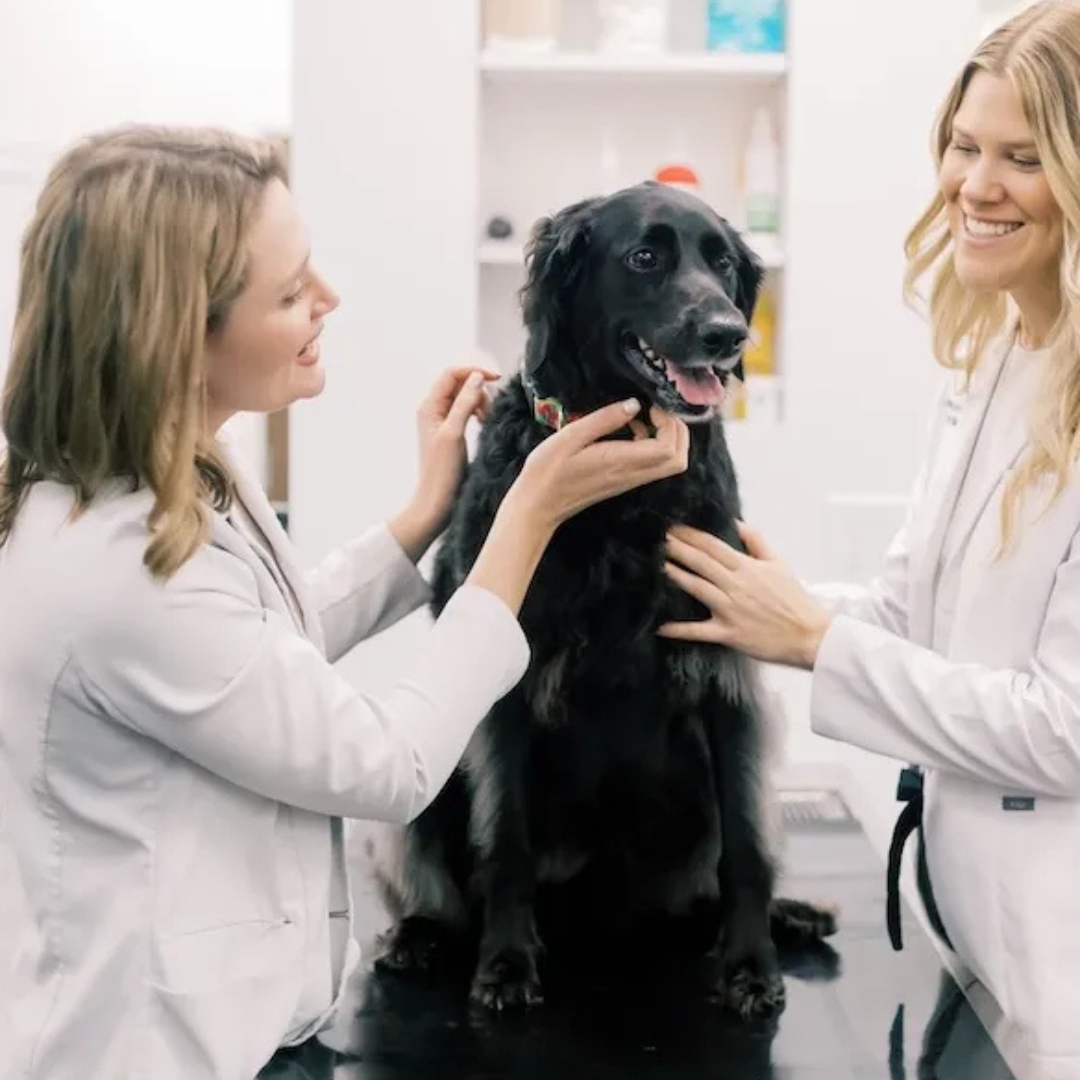
Recurring allergies can take time to understand and manage. Alex York, DVM focuses much of her clinical work on canine dermatology, including allergies, itchy skin, ear infections, and chronic skin concerns.
What These Symptoms Can Mean

When dogs scratch constantly, lick their paws, rub their face, shake their head, or get repeated ear infections, allergies are one of the most common causes.
Allergies in dogs can show up in several different ways. Some dogs get itchy skin. Others lick or chew their paws. Some develop red, irritated skin around their belly, armpits, groin, or between their toes. Many dogs with allergies also struggle with recurring ear infections.
Unlike people, who often show allergy symptoms through sneezing or watery eyes, dogs tend to show allergies through their skin and ears.
There are a few main categories of allergies we think about in dogs. These include fleas, food allergies, and environmental allergies. Environmental allergies are especially common and may be triggered by things your dog is exposed to regularly, such as pollen, grass, dust, or mold.
When allergies flare, they can weaken the skin’s normal protective barrier. A healthy skin barrier helps defend against irritation and infection. But when that barrier is inflamed or damaged, bacteria and yeast can overgrow more easily. This is why many itchy dogs also develop secondary skin or ear infections.
In other words, the allergy may be the root cause, but the infection is what makes your dog even more uncomfortable.
Why It Keeps Coming Back
One of the most common frustrations pet parents have is that the problem seems to go away, only to return again later.
This usually happens because the flare-up was treated, but the underlying allergy was not fully managed.
For example, if a dog has an ear infection caused by yeast, ear medication may clear the infection. But if the dog’s allergies are still active, the ear canal may remain inflamed and irritated. Over time, that inflammation creates the perfect environment for another infection to develop.
The same is true for itchy skin and paw licking. Medications may help calm the symptoms temporarily, but if the dog is still being exposed to the trigger, the itching can come back.
Allergies are often chronic, meaning they are not usually cured with one treatment. Instead, they need to be managed over time. Some dogs have seasonal allergies that flare during certain parts of the year. Others have year-round symptoms because they are exposed to triggers like dust, mold, fleas, or food ingredients on an ongoing basis.
That is why a thoughtful treatment plan matters. We want to help your dog feel better now, but we also want to reduce future flare-ups as much as possible.
Common Allergy Triggers in Dogs
Many dogs are sensitive to things in their everyday environment. Common triggers can include pollen, grass, weeds, trees, dust mites, mold, and even certain outdoor surfaces.
For some dogs, symptoms get worse after walks, playing in the yard, or rolling in the grass. Others may flare during high-pollen seasons. Dogs with indoor allergies may lick, scratch, or get ear infections throughout the year.
Fleas are another important trigger. Even one flea bite can cause a major reaction in a dog with flea allergy dermatitis. This is why year-round flea prevention is such an important part of allergy management, even if you are not seeing fleas on your dog.
Food allergies are less common than environmental allergies, but they can still play a role. Dogs with food allergies may have year-round itching, recurrent ear infections, or digestive signs. If a food allergy is suspected, your veterinarian may recommend a specific diet trial using a prescription hydrolyzed or novel protein diet.
The key is that every dog is different. What causes one dog to flare may not be the same trigger for another dog.
When to Take Action
It is best to take action before your dog becomes extremely uncomfortable or develops a secondary infection.
You should schedule an exam if you notice your dog scratching more than usual, licking or chewing their paws, shaking their head, rubbing their face, developing redness or hair loss, or getting a strong odor from their ears or skin.
Ear infections are another sign that it is time for a visit. If your dog’s ears are red, painful, smelly, itchy, or producing discharge, they should be examined. Ear infections can be uncomfortable and may worsen if left untreated.
It is especially important to come in if the symptoms keep returning. Recurring issues are often a clue that there is an underlying cause that needs a longer-term plan.
How We Approach Allergy Care

When your dog comes in for an allergy-related visit, we start by taking a thorough history. We want to know when the symptoms started, whether they happen seasonally or year-round, what areas are bothering your dog, what medications or diets have been tried, and what has or has not worked in the past.
Next, the doctor performs a full physical exam, paying close attention to the skin, paws, ears, coat, and any areas of irritation.
In many cases, diagnostics are needed to better understand what is happening. This may include ear cytology or skin cytology, which allows us to look for yeast, bacteria, and inflammation. In some cases, a culture may be recommended, especially if infections are severe, recurring, or not responding as expected.
From there, we create a treatment plan that addresses both the current flare-up and the bigger picture.
The short-term plan may focus on relieving itching, treating ear or skin infections, and helping your dog feel comfortable quickly. The long-term plan may include year-round flea prevention, regular ear care, medicated bathing, diet trials, allergy medications, or other maintenance strategies depending on your dog’s needs.
Our goal is not just to treat the symptoms for today. Our goal is to understand why they are happening and help reduce the chances of them coming back again and again.
You Don’t Have to Keep Guessing
If your dog is constantly itching, licking their paws, or getting recurring ear infections, it can be exhausting for both of you. But these symptoms are not something you have to keep managing on your own.
There is usually a reason they keep coming back.
With a thorough exam, the right diagnostics, and a personalized plan, we can help identify what is driving your dog’s discomfort and create a path forward.
If your dog’s symptoms keep returning, it may be time to take a closer look so they can finally feel more comfortable again. At Good Dog Veterinary Care, our team provides all dog veterinary service in Atlanta, Georgia and is here to help create a treatment plan focused on long term comfort and relief. Explore our locations and schedule a visit here:
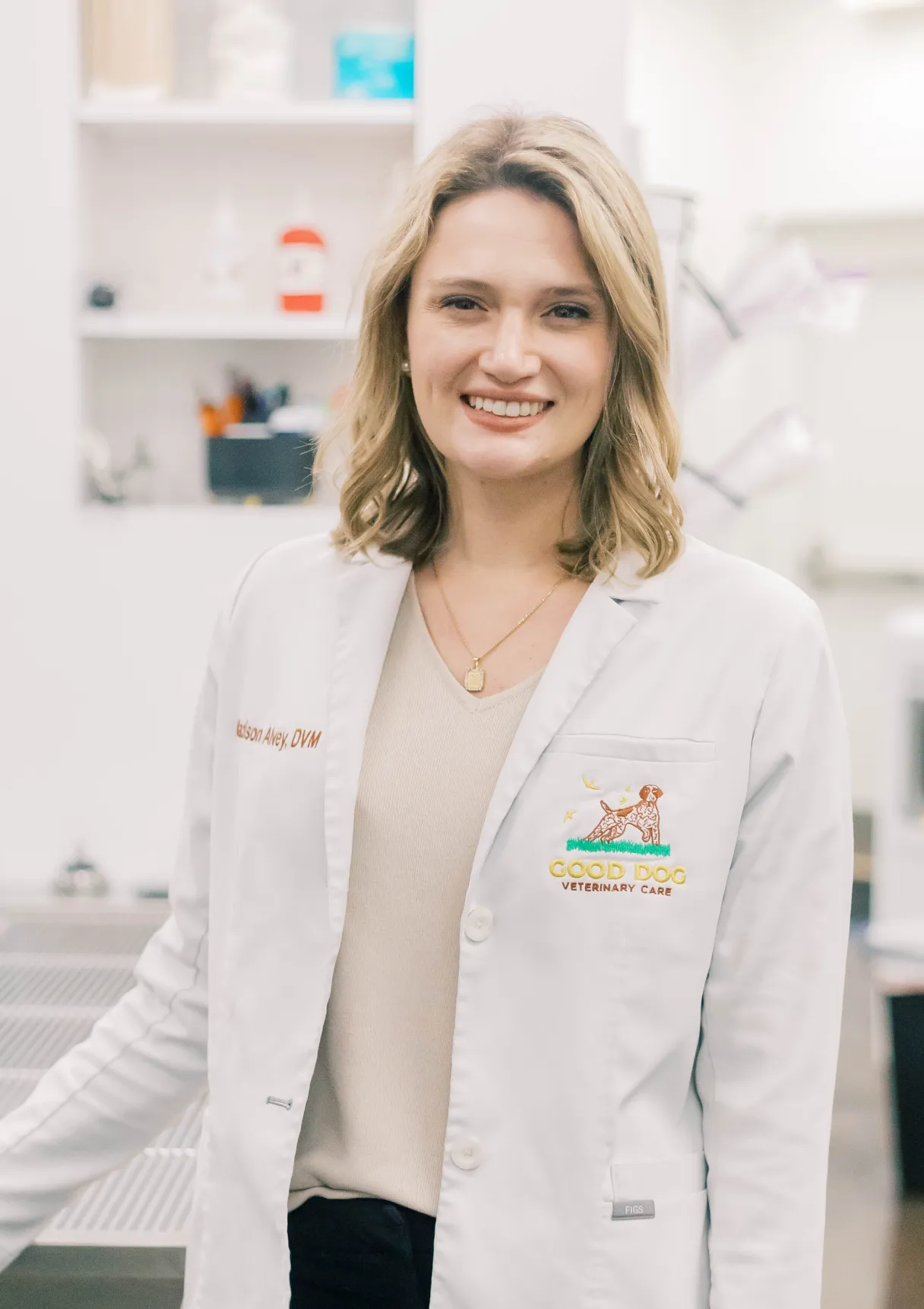
Lead Veterinarian – East Cobb
Subscribe to our newsletter
Stay up-to-date with the latest in veterinary care, tips for your dog’s health, and news from Good Dog Veterinary Care. Subscribe to our newsletter for expert insights, special updates, and exclusive offers delivered right to your inbox.